Uncovering Ties Between Secure Deposit Systems and Player Retention in Blended Betting Environments

Secure deposit systems have become central to how blended betting environments maintain steady user bases, and data from multiple jurisdictions shows clear connections between payment reliability and continued engagement across sportsbooks, casino floors, and live dealer studios. Platforms that combine traditional table games with real-time sports wagering now rely on encrypted transaction layers and biometric verification to reduce friction during deposits, which in turn supports longer session durations and repeat activity throughout the year.
Core Components of Secure Deposit Infrastructure
Blended environments integrate multiple verticals under single accounts, so deposit systems must handle varied transaction types without interruption, and operators achieve this through multi-factor authentication paired with real-time fraud detection that scans patterns across both online and land-based touchpoints. Research from regulatory bodies indicates that systems incorporating tokenization reduce declined transactions by measurable margins, allowing players to move funds between sports betting wallets and slot credit balances in seamless sequences.
Those who track industry metrics note that July 2026 reports highlighted adoption rates for advanced encryption standards climbing across North American and Asian markets, where operators updated protocols to meet stricter data protection rules while preserving speed. Such upgrades coincide with higher retention figures because users encounter fewer interruptions when funding accounts for progressive jackpot pools or live dealer tables.
Retention Patterns Linked to Deposit Reliability
Player retention in these hybrid settings correlates strongly with deposit success rates, and figures from platform analytics reveal that users who complete initial deposits without delays show elevated return rates within thirty days compared to those facing verification hurdles. Secure systems that support instant bank transfers and digital wallet integrations help maintain momentum, especially when players shift between high-volatility slots and lower-risk sports wagers within the same session.
Observers tracking loyalty program data find that tier progression often accelerates when deposit histories remain consistent, since bonus eligibility frequently ties to cumulative funding activity rather than isolated wins. This dynamic appears in both mobile-first networks and venue-based loyalty cards that sync with online profiles, creating unified reward structures across physical and virtual environments.
Regional Data and Platform Examples
Canadian regulators through the Alcohol and Gaming Commission of Ontario have documented how integrated payment frameworks contribute to sustained participation rates in mixed gaming formats, with quarterly summaries showing deposit security features correlating to lower churn among users active in both online poker rooms and retail sportsbooks. Similar patterns emerge in Australian markets where centralized reporting tracks transaction integrity alongside retention metrics for blended operators.
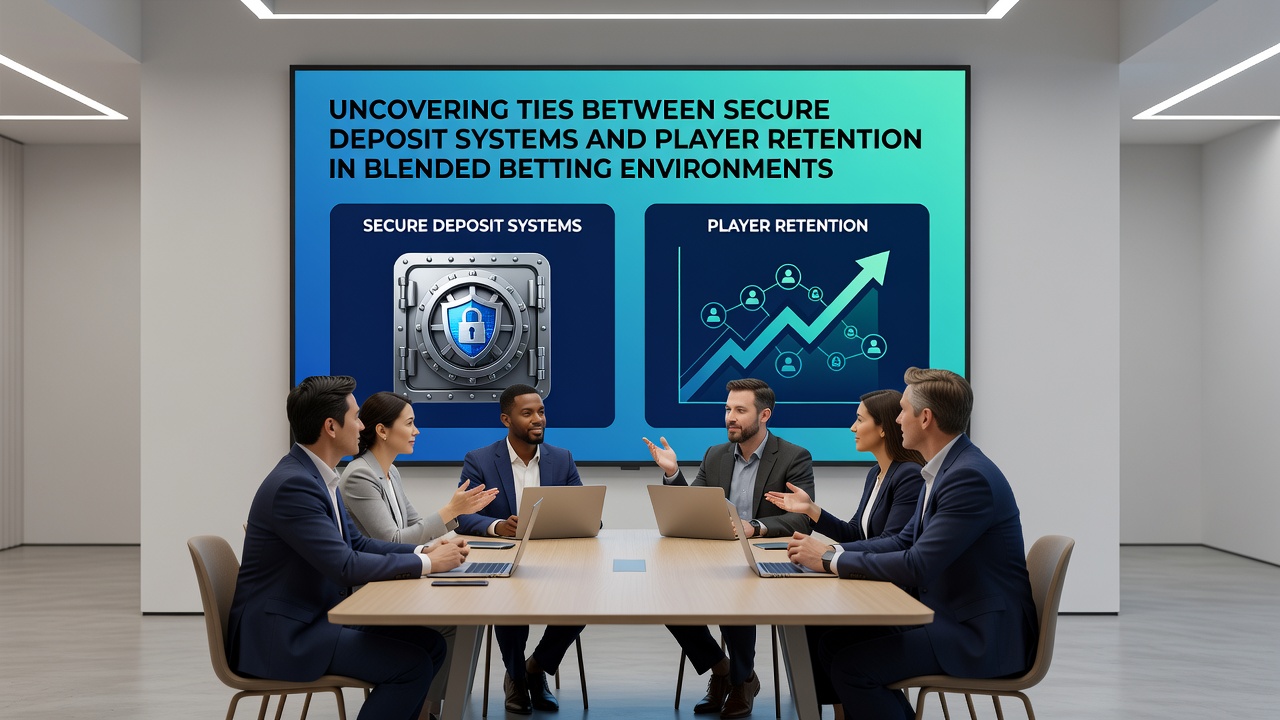
One study released by university researchers in Nevada examined transaction logs from major resorts that operate both physical casinos and companion apps, finding that platforms with streamlined secure deposits recorded stronger month-over-month retention among players who regularly moved between slot tournaments and live event betting. The analysis covered thousands of accounts and controlled for variables such as game selection and promotional offers.
Technical Integration Across Vertical Markets
Operators building blended environments connect secure deposit layers to backend systems that manage progressive status tiers, so a single verified transfer can unlock benefits applicable to reel games, card tables, and sports markets simultaneously. This linkage reduces administrative overhead while giving users immediate access to personalized offers based on funding volume and frequency.
Industry organizations such as the American Gaming Association have compiled case studies showing how biometric-linked deposits cut average processing times, which supports continuous play across different game types without repeated logins or wallet switches. Platforms adopting these methods report steadier activity levels during peak periods when users alternate between mobile sports betting and in-app casino sessions.
Future Outlook and Measurement Approaches
Measurement of these ties continues through combined datasets that merge transaction logs with behavioral analytics, allowing operators to isolate the impact of deposit security on long-term retention. Regulatory updates expected later in 2026 may further standardize reporting requirements around payment integrity, giving clearer benchmarks for comparing performance across regions.
Those monitoring platform updates note ongoing refinements in fraud prevention algorithms that protect deposit flows without adding perceptible delays, and such refinements appear tied to sustained user bases in competitive markets where choice among blended operators continues to expand.
Conclusion
Secure deposit systems demonstrate measurable influence on retention within blended betting environments through reduced friction, consistent access to funds, and integration with loyalty mechanisms. Data from regulatory summaries and platform analyses continue to map these connections, providing operators with actionable insights for refining payment infrastructure alongside game offerings and reward structures.