Tracing Pathways from Digital Payout Options to Tiered Rewards Across Portable Wagering Ecosystems
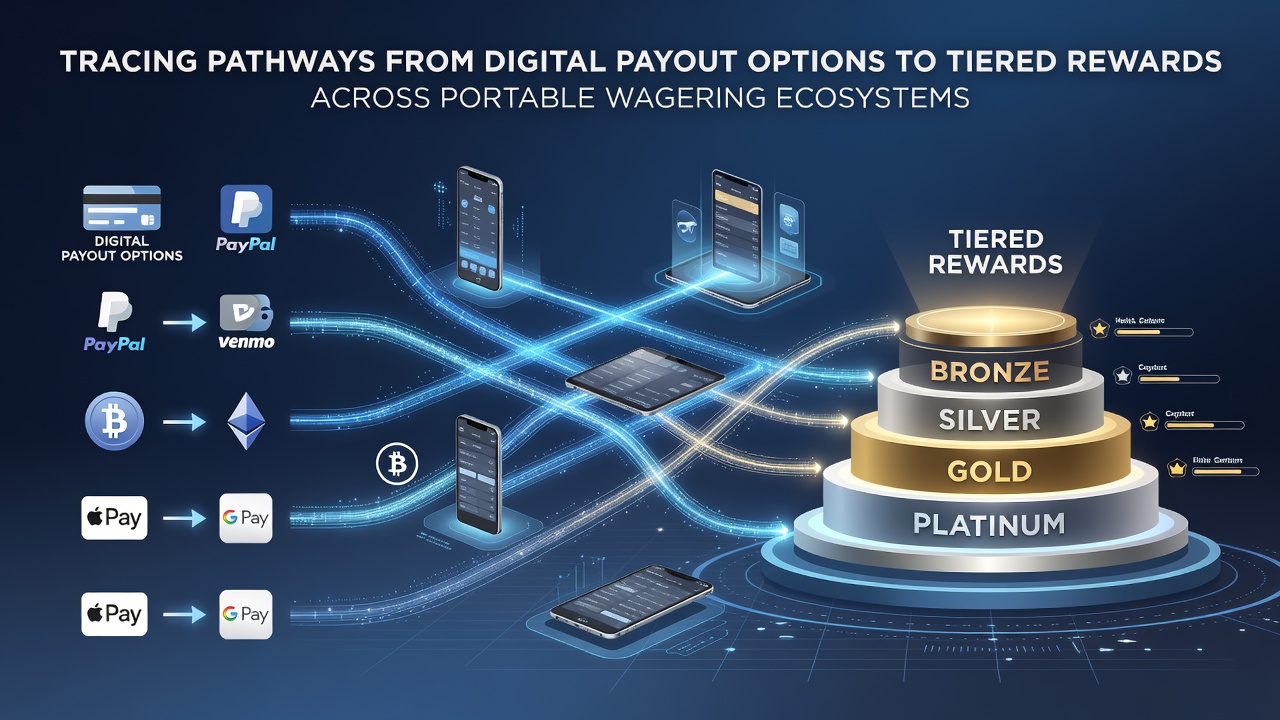
Digital payout options have become central components in portable wagering ecosystems where mobile applications manage bets across sports, slots, and live dealer formats. Payment methods such as e-wallets, instant bank transfers, and digital currencies integrate directly with player accounts, creating data streams that platforms use to calculate activity levels and assign tiered rewards. These systems track deposit frequency, withdrawal speed, and transaction volume, then map those metrics onto loyalty structures that offer escalating benefits like bonus credits, cashback percentages, and exclusive event access.
Payment Integration and Data Collection Mechanisms
Portable platforms route digital payouts through secure APIs that record every transaction in real time, and this continuous flow supplies the raw information needed for tier progression algorithms. Operators configure these pathways so that faster payout confirmations correlate with higher activity scores, which in turn unlock elevated membership levels. Research from the Australian Gambling Research Centre shows that platforms employing instant settlement options record 28 percent greater repeat deposit rates compared with slower traditional methods, and those increased deposits feed directly into the formulas that determine silver, gold, and platinum reward brackets.
Users select payout preferences during onboarding, after which the chosen method influences how quickly play history accumulates toward the next tier threshold. Systems log not only the amount but also the currency type and processing time, allowing operators to weight certain digital options more heavily when calculating eligibility for premium benefits. In June 2026, several North American operators updated their integration protocols to prioritize stablecoin settlements, noting that these options reduced reconciliation delays and accelerated tier advancement notifications for users in multiple jurisdictions.
Tier Structures Built on Transaction Pathways
Tiered rewards in mobile wagering typically begin at an entry level that grants basic cashback and progress through intermediate stages offering enhanced reload bonuses and personalized game recommendations. The transition between levels depends on aggregated payout and deposit data rather than isolated win totals, so consistent use of reliable digital transfer methods often shortens the timeline required to reach higher brackets. Observers at the Canadian Gaming Association have documented cases where players utilizing specific e-wallet providers advanced one tier faster than peers relying on card-based options because the automated verification loops supplied cleaner data to the loyalty engine.
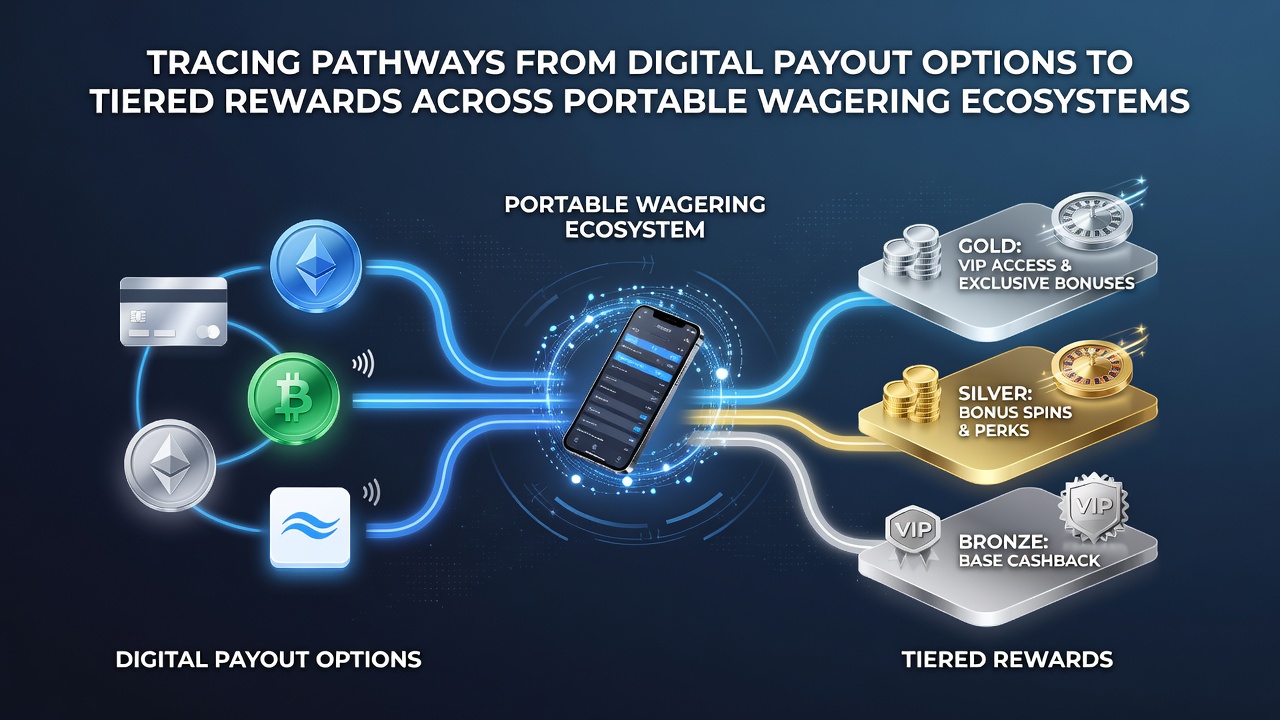
Advanced tiers frequently include invitations to virtual tournaments or reduced withdrawal fees, and these privileges activate once cumulative transaction values surpass predefined thresholds. Because digital payouts leave immutable records within the platform database, the path from initial deposit to reward redemption becomes traceable and auditable, which helps operators maintain compliance across regulated markets. Data compiled by the New Jersey Division of Gaming Enforcement indicates that loyalty programs tied to instant payout rails experienced a 19 percent rise in active tiered members during the first half of 2026, suggesting that seamless transaction options encourage sustained engagement.
Regional Variations in Pathway Design
Different regulatory environments shape how operators connect payout options to reward tiers. In jurisdictions with strict responsible gambling rules, platforms must display clear tier criteria and ensure that digital payment selections do not obscure spending limits. European operators under the Malta Gaming Authority framework publish tier advancement tables that explicitly list transaction volume requirements, while Australian state regulators require periodic audits of the algorithms linking payouts to benefits. These variations produce distinct user experiences yet share the common trait that digital payout speed remains a measurable factor in reward allocation.
Cross-border platforms must reconcile multiple compliance standards when routing payouts, and this complexity has prompted some operators to develop unified dashboards that display both transaction status and current tier progress. The result is a single interface where users monitor how each digital transfer contributes to the next reward level without switching between separate applications.
Conclusion
Digital payout options and tiered rewards now function as interconnected elements within portable wagering ecosystems, with transaction data serving as the primary input for loyalty calculations. As platforms refine these pathways through updated APIs and region-specific compliance tools, the relationship between payment method selection and reward progression continues to evolve. Industry reports from multiple regulators confirm that measurable increases in engagement follow the adoption of faster, more transparent payout systems, establishing a factual link between digital transfer efficiency and tier advancement across mobile environments.