Tracing Algorithmic Pairings of Device Compatibility with Tiered Reward Access in Global Wagering Networks
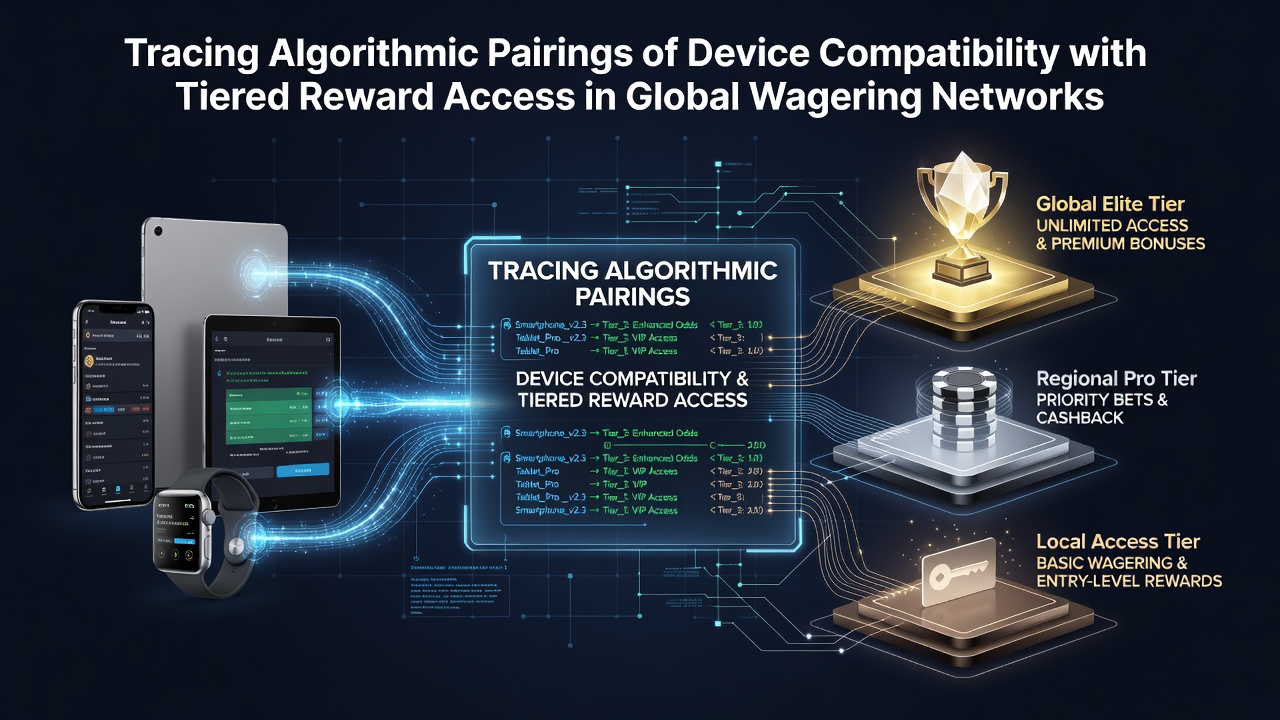
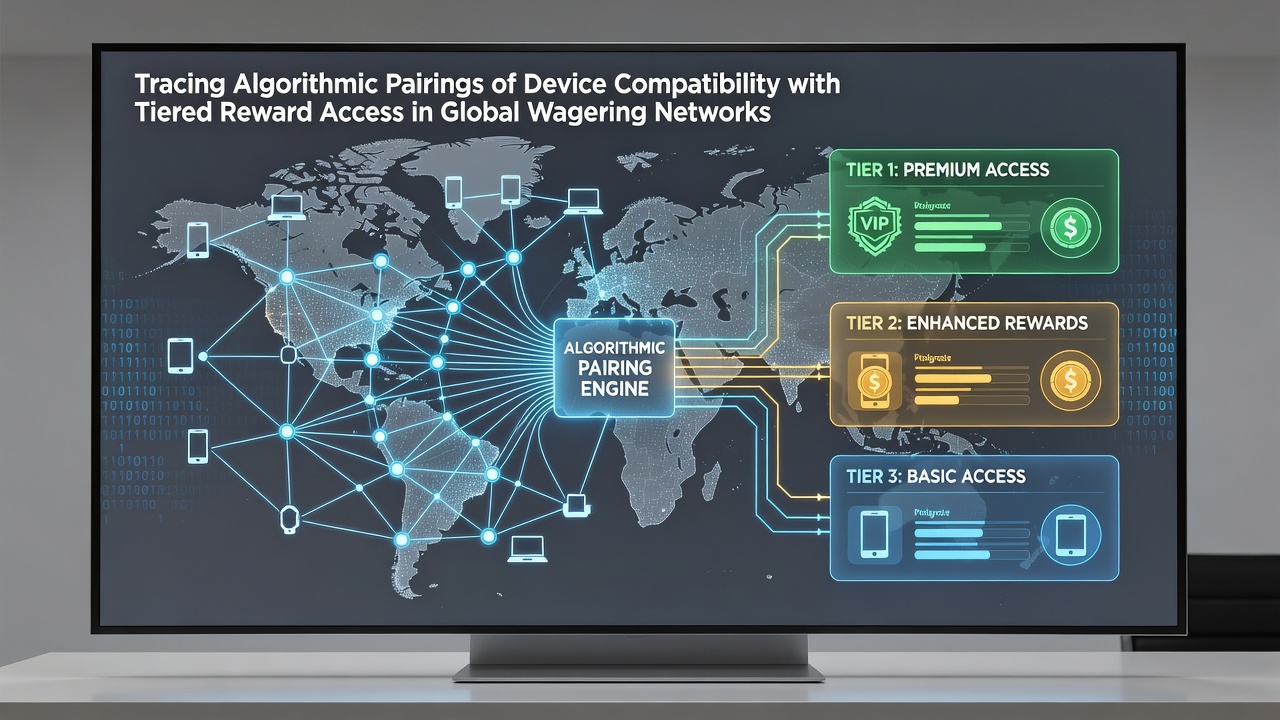
Global wagering networks rely on algorithmic pairings that connect device compatibility metrics with tiered reward structures, and these systems have expanded steadily through mid-2026. Operators process data on hardware specifications, operating system versions, and network conditions to assign access levels within loyalty programs, which in turn unlock varying reward thresholds for players across mobile, tablet, and desktop interfaces.
Core Mechanics of Device-Tier Pairings
Algorithms evaluate factors such as screen resolution, processor speed, and browser support before determining eligibility for specific reward tiers, and this evaluation occurs in real time during account logins. Research from the Australian Gambling Research Centre shows that compatibility scores directly influence progression rates through bronze, silver, gold, and platinum categories, where higher scores accelerate point accumulation from wagers placed on compatible devices. Data collected across multiple jurisdictions indicates that mobile-first pairings now account for the majority of tier advancements in markets including Australia and parts of Southeast Asia.
Device compatibility also intersects with network latency measurements, so operators adjust reward multipliers when connections meet minimum thresholds on approved hardware. Those who've studied these frameworks note that pairings prevent lower-tier accounts from accessing premium features on outdated equipment, which maintains consistent service delivery across platforms. In July 2026 regulatory filings from the Casino Regulatory Authority of Singapore highlighted updated compliance standards requiring operators to log these algorithmic decisions for audit purposes.
Regional Implementation Patterns
European markets demonstrate distinct approaches where the European Gaming and Betting Association tracks how device pairings align with national licensing rules, and these alignments affect reward distribution in countries such as Malta and Sweden. Operators in these regions integrate geolocation data with hardware profiles to enforce tier restrictions, which prevents cross-border access discrepancies. Figures from industry reports reveal that such pairings have reduced unauthorized reward claims by measurable percentages since their wider adoption in 2025.
North American networks follow similar patterns yet incorporate state-specific regulations that modify how algorithms handle device verification. Observers note that pairings in these markets often prioritize tablets and high-end smartphones for elevated tiers because these devices support advanced graphics required for certain live dealer formats. Data shows that reward access in these ecosystems scales with verified compatibility, and this scaling applies uniformly across participating platforms.
Impact on Player Progression and Network Stability
Players encounter these pairings most directly through app updates that recalibrate compatibility scores, and such updates frequently coincide with loyalty program revisions. Studies indicate that consistent device performance correlates with faster tier ascents, whereas incompatible hardware triggers automatic downgrades or restricted reward visibility. Network operators report that these mechanisms stabilize server loads by distributing high-reward activities across verified devices only.
What's interesting here is how July 2026 updates to cross-platform APIs have refined the speed of these pairings, allowing operators to process verification in under two seconds for most sessions. This refinement stems from partnerships between software providers and hardware manufacturers that supply standardized compatibility benchmarks. Evidence suggests the adjustments have streamlined reward allocation without altering underlying tier requirements.
Technical Frameworks and Data Integration
Backend systems aggregate compatibility data from multiple sources including device manufacturers and third-party analytics providers, and this aggregation feeds into machine learning models that predict tier eligibility. The models weigh variables such as battery efficiency and storage capacity alongside traditional metrics like operating system age. Researchers at academic institutions studying digital gambling ecosystems have documented how these integrations reduce processing errors in reward calculations.
Security protocols embedded within the algorithms also scan for emulated devices or modified hardware profiles, which prevents artificial inflation of compatibility scores. Regulators in various regions require transparent reporting on these scans to ensure fair application across all accounts. Those monitoring the sector observe that the pairings maintain equilibrium between accessibility and system integrity as wagering volumes continue to rise.
Conclusion
Algorithmic pairings of device compatibility with tiered reward access continue to shape operational standards in global wagering networks through structured data analysis and regulatory oversight. These systems deliver consistent outcomes by matching hardware capabilities directly to reward eligibility criteria, and ongoing refinements in 2026 underscore their role in maintaining platform reliability across diverse markets.