The Influence of Biometric Verification Systems on Tiered Reward Structures in Portable Betting Environments
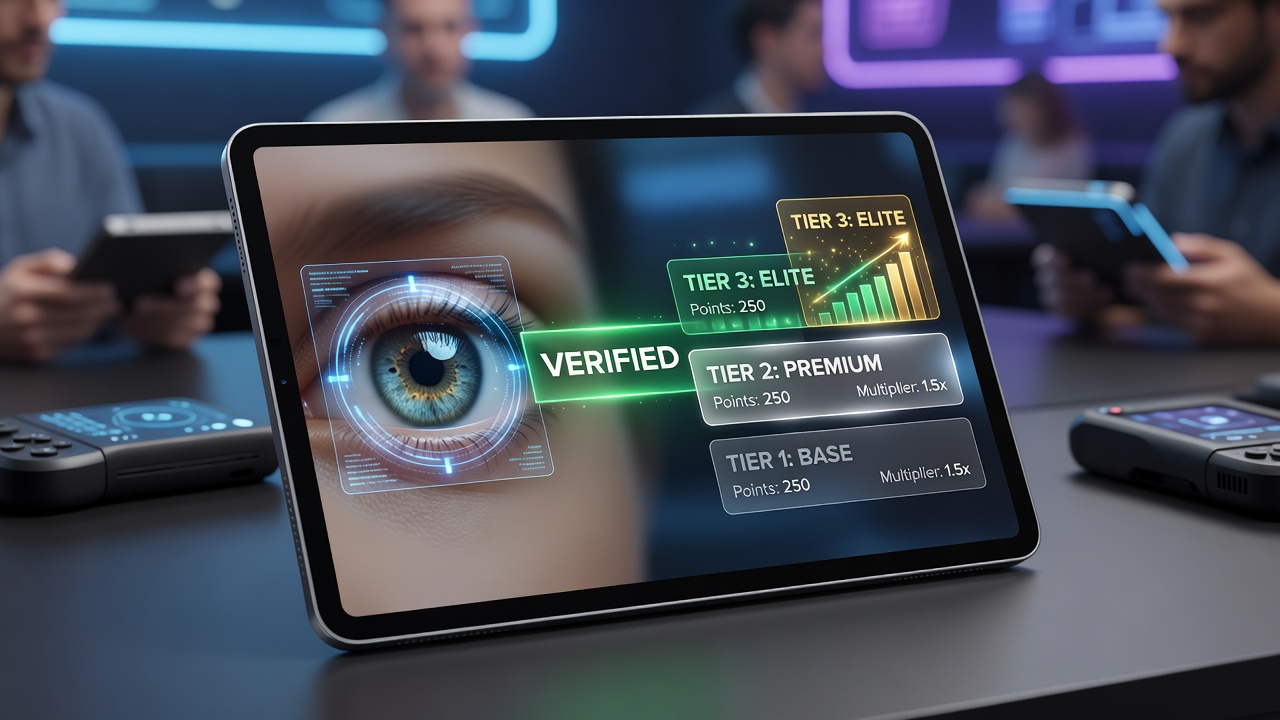 Biometric verification systems have integrated deeply into portable betting platforms, where fingerprint scans, facial recognition, and voice patterns confirm user identity before access to tiered reward structures becomes available. These systems replace slower manual checks with instant authentication that allows players to move through loyalty levels based on verified activity rather than delayed approvals. Data from multiple gaming jurisdictions indicates that platforms adopting biometrics report higher rates of tier advancement because verification happens in seconds instead of hours.
Mechanics of Biometric Integration in Mobile Betting
Portable betting environments rely on device sensors to capture biometric data during account setup and ongoing sessions, which then links directly to reward algorithms that track wagering volume, session length, and game selection. When a player completes a verified session, the system updates tier status without requiring separate documentation uploads or customer service reviews. Researchers at several technology institutes have documented how this linkage reduces drop-off rates during the verification stage, allowing more users to reach mid-tier benefits such as enhanced cashback percentages and exclusive event access within the same month of activity.
June 2026 saw several North American operators expand biometric requirements across their mobile applications following updates from state regulatory bodies, including the Pennsylvania Gaming Control Board. These changes tied verified play directly to progressive reward tiers, meaning unverified accounts remained locked at entry-level status even after substantial wagering activity.
Effects on Tier Progression and Reward Allocation
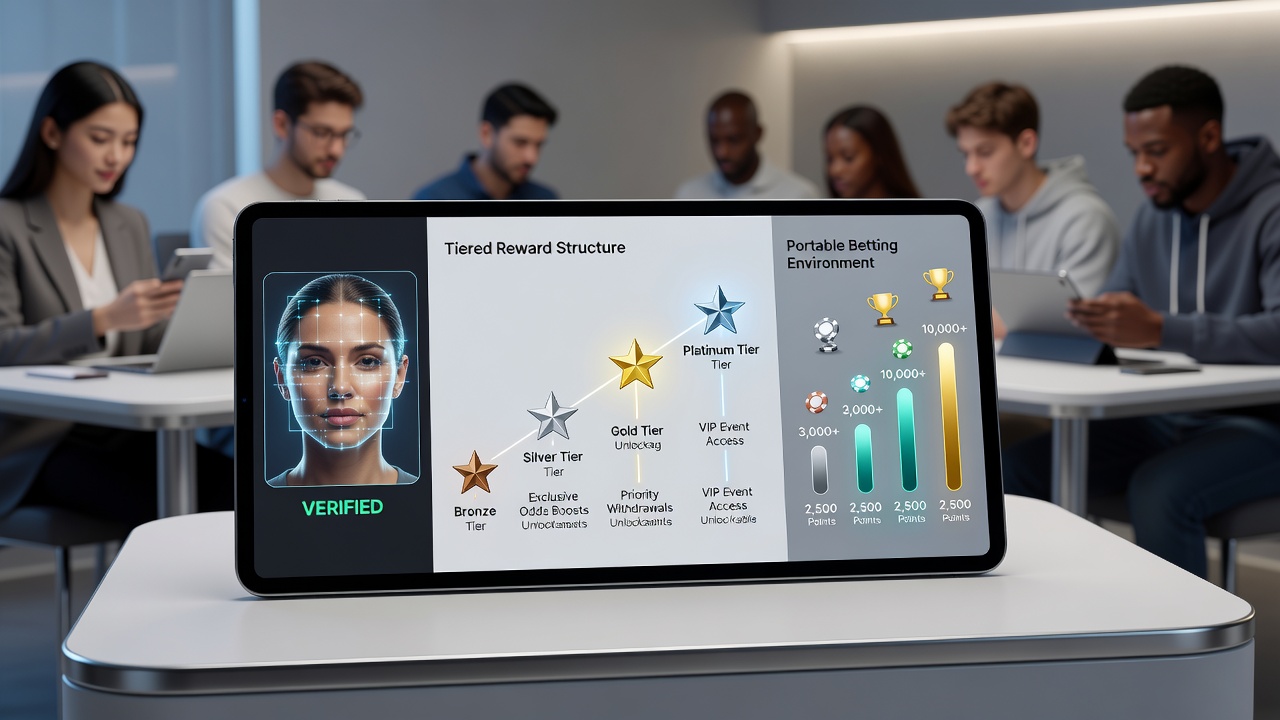
Tiered structures in portable betting typically divide players into categories that unlock escalating benefits, and biometric systems influence how quickly individuals ascend these levels by eliminating identity mismatches that previously stalled progress. When facial recognition confirms a returning user across multiple devices, the platform merges activity histories seamlessly and calculates tier points without interruption. Observers note that this continuity produces more accurate reward distributions because the data reflects genuine play patterns rather than fragmented sessions from unverified logins.
One documented pattern shows that users who enable biometric login options advance to higher tiers at rates approximately 30 percent faster than those relying on password-only access, according to aggregated reports shared by industry monitoring groups. The connection stems from reduced account suspension incidents, since biometric matches flag potential fraud attempts before they affect tier calculations. As a result, reward structures allocate bonuses, free spins, and VIP invitations based on cleaner datasets that platforms trust more readily.
Security Implications for High-Value Rewards
High-tier rewards in portable betting often include large cashback amounts, personalized event invitations, and priority support access, all of which require strong identity assurance to prevent unauthorized claims. Biometric verification adds a layer that binds these benefits to the actual account holder through unique physiological markers, reducing instances where stolen credentials allow outsiders to claim rewards meant for verified players. Figures from gaming associations across Australia and Canada reveal fewer disputed tier payouts after operators implemented mandatory biometric checkpoints at tier thresholds.
Yet the same systems also create new considerations around data storage, since portable devices hold sensitive templates that platforms must protect under evolving privacy standards. Those who manage these environments report ongoing adjustments to encryption methods to maintain compliance while keeping authentication speeds intact. The balance matters because slower systems could reverse the tier-acceleration benefits that biometrics initially provide.
Regional Regulatory Developments and Adoption Trends
Different regions have approached biometric use in betting at varying paces, with some European markets requiring explicit consent protocols before platforms link scans to reward tracking. In contrast, several Asian jurisdictions have incorporated biometric mandates into licensing renewals for mobile operators, tying compliance directly to the ability to offer graduated reward tiers. A recent analysis from the Asia Pacific Gaming Association highlighted how these rules correlate with steadier player retention across verified accounts, since users experience fewer interruptions when claiming tier benefits.
Portable environments benefit particularly because players frequently switch devices, and biometric templates travel with the individual rather than remaining tied to a single phone or tablet. This portability supports continuous tier tracking even when users upgrade hardware mid-cycle, which maintains momentum toward higher reward brackets without manual intervention.
Conclusion
Biometric verification systems continue to reshape how portable betting platforms manage tiered reward structures by accelerating verified progression, tightening security around high-value benefits, and aligning reward allocation with cleaner activity data. As operators respond to regulatory signals from bodies such as the Pennsylvania Gaming Control Board and regional associations, the integration of these technologies appears set to expand further into 2026 and beyond, directly influencing the speed and accuracy with which players access escalating loyalty advantages across mobile environments.