Mapping Regulatory Shifts and Their Effects on Interactive Card Experiences in Global Digital Spaces
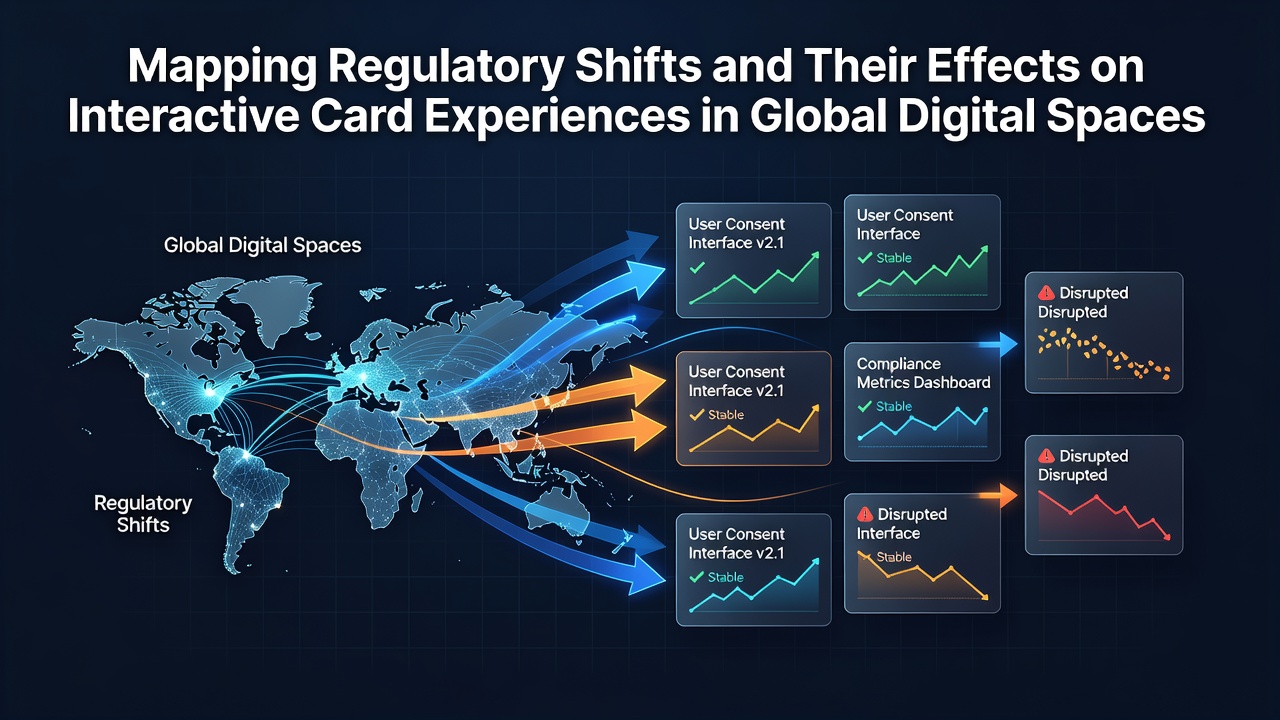
Regulatory changes continue to reshape how interactive card games operate in digital environments around the world, with jurisdictions adjusting rules on licensing, player verification, and game mechanics at varying paces. These shifts affect everything from poker tables to blackjack sessions hosted on international platforms, while operators adjust their systems to meet new compliance standards that emerged prominently by July 2026.
European Frameworks and Cross-Border Adjustments
European countries have implemented layered requirements that directly influence card game delivery, particularly around data handling and transaction monitoring. Several member states updated their digital gaming statutes in early 2026, requiring enhanced identity checks that extend session setup times yet maintain seamless gameplay once players clear verification. Data from the European Gaming and Betting Association shows these measures reduced unauthorized access attempts across monitored networks by notable margins in the first half of the year.
Operators serving multiple markets now maintain separate rule sets for each jurisdiction, which affects how card variants appear to users depending on their location. Games that once ran under uniform mechanics now incorporate region-specific limits on bet sizes and session durations, creating distinct experiences even within the same software suite. Those who manage these platforms report that synchronization between compliance engines and game servers requires constant calibration to avoid service interruptions.
North American State-Level Developments
Across North America, individual states and provinces continue to refine their approaches to interactive card offerings, with several expanding authorized frameworks while others tighten oversight on foreign-facing sites. Canadian provinces introduced updated licensing protocols mid-2026 that emphasize responsible play tools integrated directly into card interfaces, allowing players to set personal limits without exiting the game environment. Similar patterns appear in U.S. states where newly legalized markets require geofencing technology that activates specific card rule variations based on user coordinates.
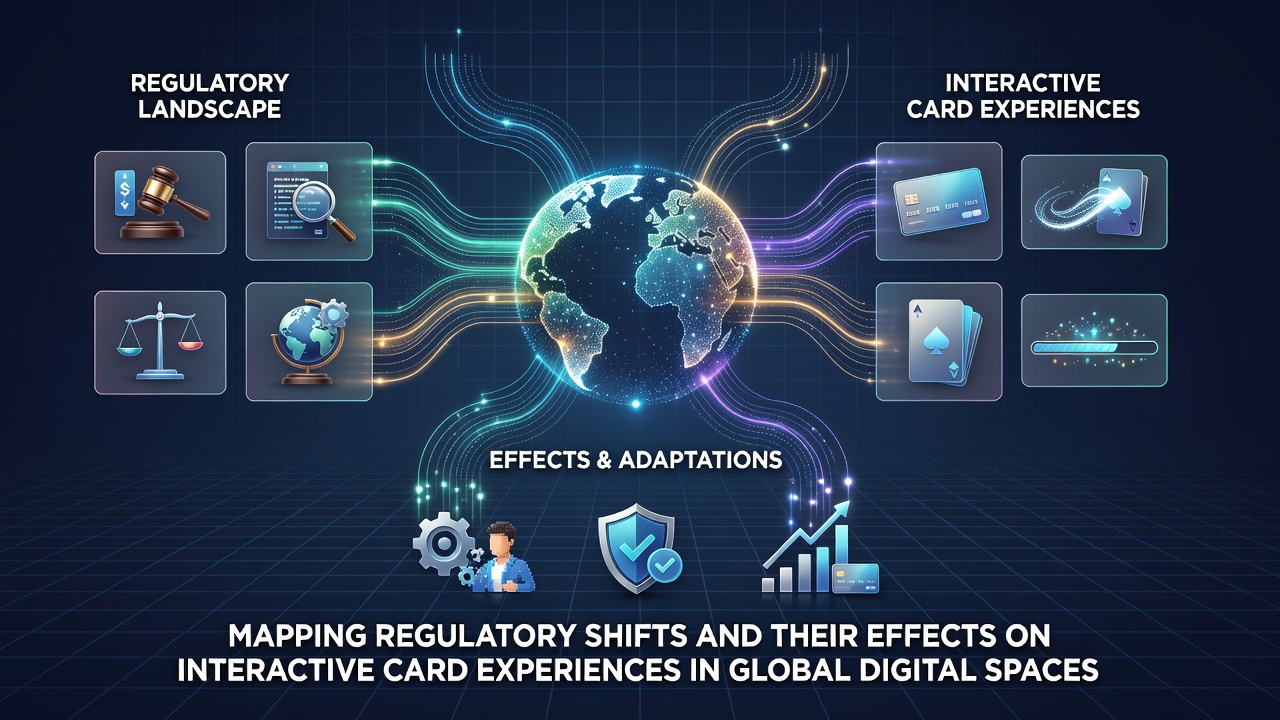
Research from the University of Nevada's gaming studies division indicates these state-driven modifications have prompted software developers to build modular card engines capable of switching rule parameters in real time. The result shows up in how progressive jackpot systems and side bets function differently across borders, even when the base game remains visually consistent. Players accessing platforms from multiple locations encounter these adaptations through subtle interface cues rather than outright blocks.
Asia-Pacific Regulatory Patterns
Asia-Pacific regulators have focused on controlling access points and payment flows that support interactive card activities. Australia strengthened its point-of-consumption rules in 2026, requiring platforms to route Australian players through localized card environments that enforce stricter wagering caps. Meanwhile, several Southeast Asian jurisdictions expanded pilot programs allowing licensed operators to offer digital card tables under monitored conditions, with emphasis on transaction transparency that links directly to banking oversight systems.
These developments create ripple effects for global platforms that must segment their card offerings by player origin. Tournaments that once pooled participants worldwide now operate in parallel regional brackets to satisfy varying legal thresholds, and the technical infrastructure supporting these separations adds layers of latency management that engineers address through distributed server networks.
Technical Adaptations in Card Platforms
Developers respond to regulatory fragmentation by embedding configurable compliance layers within core card software. Features such as automated rule detection, dynamic limit adjustments, and jurisdiction-specific payout tables activate based on detected player profiles. This approach allows a single application to serve diverse markets without maintaining entirely separate codebases, though it demands rigorous testing cycles to ensure every regulatory trigger functions as intended.
Studies from the International Center for Gaming Regulation highlight how these adaptations have influenced game design choices, with certain card mechanics receiving modifications to align with responsible gaming mandates. Side bets and insurance options, for example, sometimes carry additional disclosure requirements that appear as contextual prompts rather than permanent interface changes.
Conclusion
Regulatory mapping across global digital spaces reveals ongoing evolution in how interactive card experiences reach players, driven by jurisdiction-specific rules that operators integrate through technical and operational adjustments. As frameworks continue to develop beyond July 2026, platforms maintain focus on modular systems that accommodate new requirements while preserving core gameplay continuity across regions.