Mapping Connections Between Game Volatility Indexes and Tiered Membership Benefits in International Online Gaming Networks
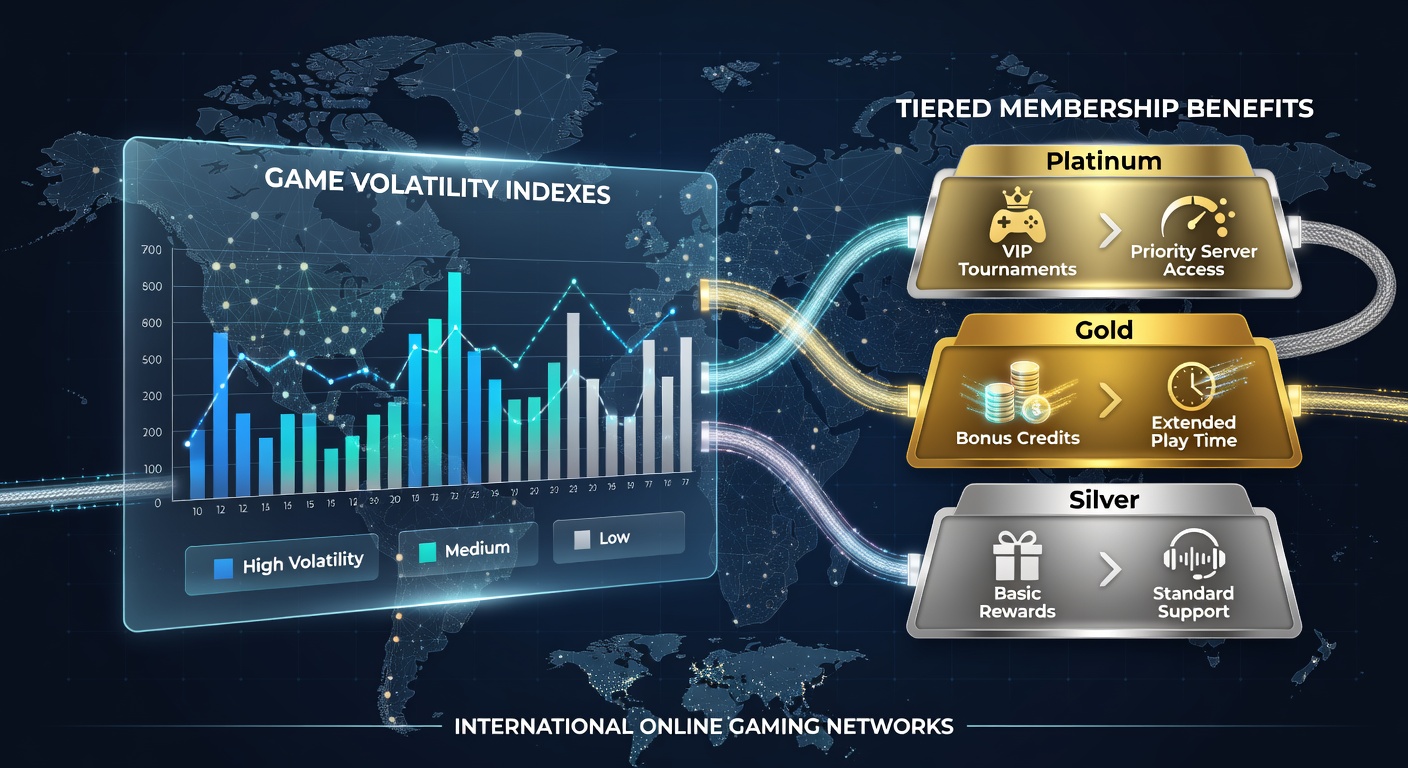
International online gaming networks track game volatility indexes to categorize titles by risk and reward patterns, and these metrics often align with tiered membership structures that distribute benefits based on player activity levels. Volatility indexes measure how frequently and substantially payouts occur in games such as slots and table variants, while membership tiers reward consistent engagement through escalating perks like cashback rates and event access. Data from multiple regions indicates that platforms integrate these two systems to guide player progression and retention strategies.
Defining Game Volatility Indexes in Online Networks
Volatility indexes assign numerical values to games according to payout frequency and size distribution, with lower numbers indicating steadier returns and higher numbers signaling larger but less frequent wins. Researchers at academic institutions have compiled datasets showing that European and Asian operators apply similar indexing scales derived from historical performance logs. These indexes help networks standardize game recommendations across borders, allowing players in different jurisdictions to compare options using consistent metrics. In May 2026 several platforms updated their indexing algorithms to incorporate real-time session data, which refined how volatility scores reflect current play patterns.
Tiered Membership Structures Across Regions
Tiered membership programs divide participants into levels such as bronze, silver, gold, and platinum, where each stage unlocks additional benefits tied to wagering volume and game selection. Benefits range from deposit matches at entry tiers to personalized account managers and tournament entries at top tiers. Reports compiled by the Malta Gaming Authority demonstrate that operators in the Mediterranean region link tier advancement directly to cumulative play across both low and high volatility titles. Meanwhile figures from Singapore's regulatory framework reveal parallel systems in Southeast Asian networks, where players advance tiers faster when engaging with a balanced mix of volatility categories.
Mapping Volatility Data to Benefit Allocation
Connections between volatility indexes and tier benefits appear in how platforms weight game contributions toward tier progression points. High volatility games often carry multipliers in point calculations, which accelerates movement into upper tiers for players who prefer those titles. One study from the University of Nevada Reno tracked player cohorts and found that networks adjust benefit formulas seasonally to balance participation across volatility ranges. This mapping ensures that players focused on steady low volatility games still reach mid tiers through volume, whereas high volatility enthusiasts may unlock premium rewards after fewer sessions but with greater outcome variance.
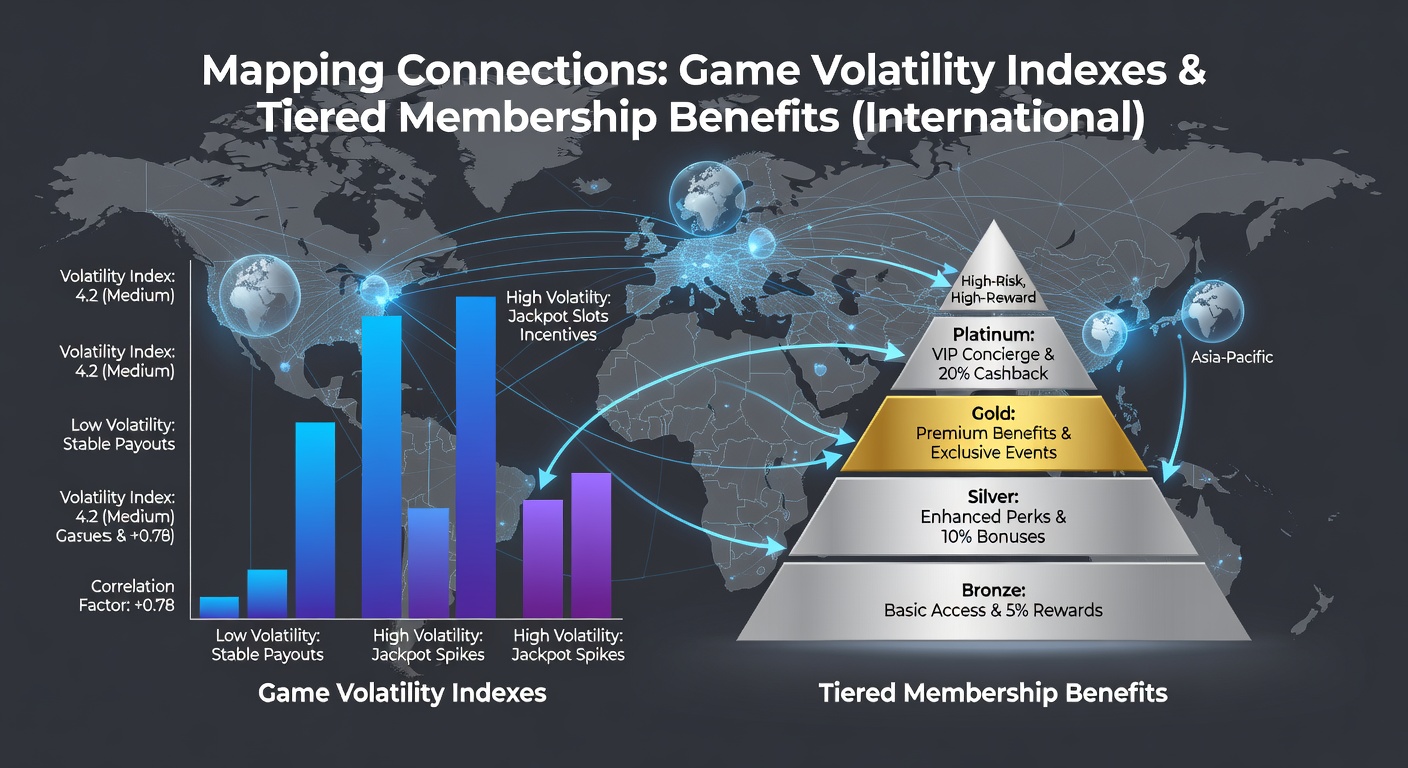
Platforms in Australia and Canada have adopted comparable models, according to industry reports released in early 2026. These systems use volatility data to calibrate bonus eligibility, so that players in higher tiers receive enhanced free spin packages specifically for medium volatility slots. The approach maintains network-wide consistency while allowing regional customization based on local player preferences documented in aggregated logs.
International Network Implementation Patterns
Cross-border gaming networks share volatility indexes through centralized databases that feed into individual membership platforms. This integration lets operators in one country recognize tier status earned elsewhere when players migrate accounts. Evidence from collaborative projects between European and North American operators shows that standardized volatility mapping reduces discrepancies in benefit delivery. During May 2026 several networks introduced API updates that synchronized tier benefit triggers with updated volatility classifications, resulting in more precise reward distribution across participating sites.
Player Progression and Game Selection Data
Analytics from large-scale networks indicate that players who diversify across volatility indexes tend to maintain longer membership durations in upper tiers. Low volatility games support steady point accumulation for consistent tier retention, while high volatility selections can produce rapid jumps when wins align with promotional windows. Regulatory summaries from the Alcohol and Gaming Commission of Ontario highlight that such patterns influence how networks design tier reset policies and benefit expiration rules. Observers note that these connections help stabilize revenue streams by encouraging varied game engagement rather than concentration in single volatility categories.
Conclusion
International online gaming networks continue to refine the links between volatility indexes and tiered benefits through shared data protocols and regional adaptations. The mapping process supports structured player advancement while accommodating diverse game libraries across markets. Ongoing updates in 2026 demonstrate that these systems evolve alongside technological and regulatory changes to maintain alignment between game characteristics and membership rewards.