Inside the Mechanics Linking Secure Transaction Protocols with Multi-Game Loyalty Structures on Handheld Devices
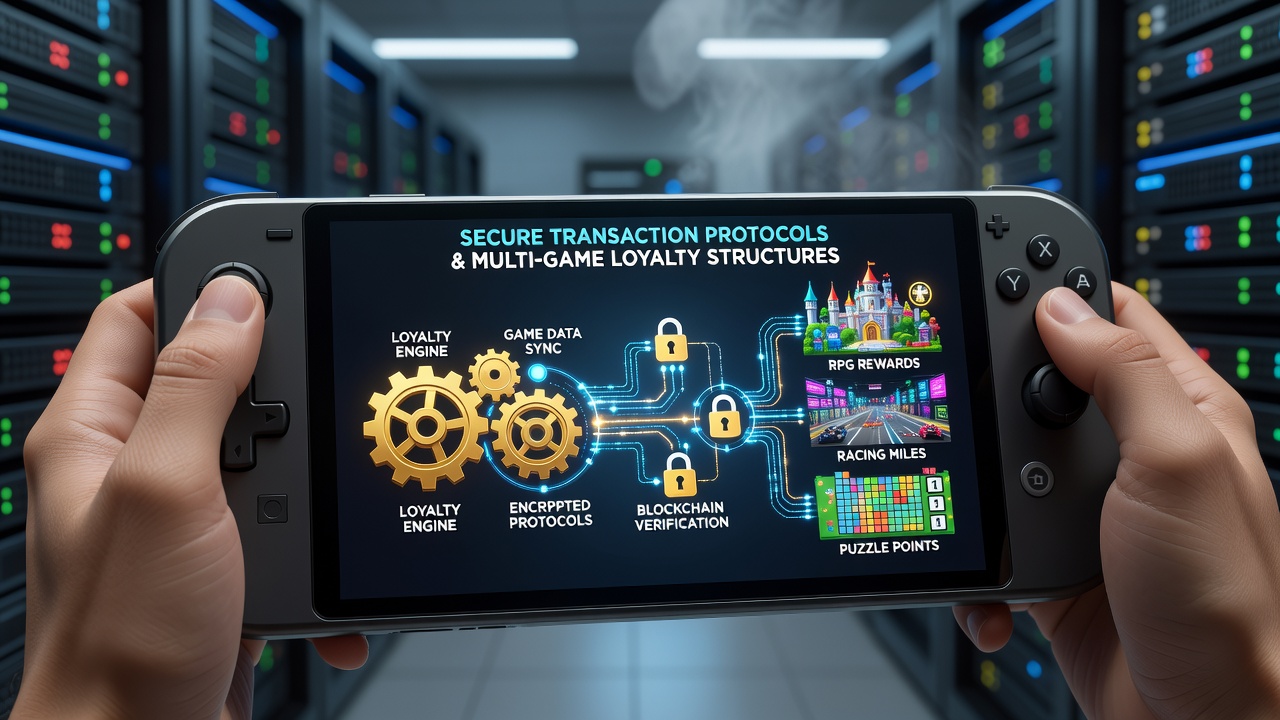
Secure transaction protocols operate as the backbone for loyalty structures that span multiple games on handheld devices, where encrypted payment channels feed directly into tiered reward systems that track activity across slots, table games, and live dealer formats. These connections rely on standardized APIs that authenticate each transfer while simultaneously updating player profiles in real time, allowing points earned from one title to influence access in another without separate logins or manual redemptions. Developers implement tokenization methods that replace sensitive card details with unique identifiers, and these same tokens carry metadata that loyalty engines use to calculate bonuses based on volume, frequency, and game type.
Core Components of Secure Protocols in Mobile Environments
Transaction security on handheld platforms incorporates end-to-end encryption standards such as TLS 1.3 combined with device-specific biometrics, while multi-game loyalty frameworks maintain separate ledgers that sync through cloud-based reconciliation services. Observers note that these ledgers record not only deposit amounts but also session duration and wager patterns, then apply algorithmic multipliers that differ by game volatility. As of June 2026, several platforms have rolled out unified dashboards where players view consolidated balances that reflect contributions from every title they access on the same app. Researchers have documented how these systems reduce reconciliation errors by routing all activity through a single secure gateway that validates both payment and loyalty eligibility in one step.
Integration Points Between Payments and Rewards
At the integration layer, loyalty structures pull data streams from payment gateways using event-driven triggers that fire whenever a transaction completes successfully. Each trigger carries parameters such as game identifier, stake size, and outcome result, which the loyalty engine then maps to point awards according to predefined rulesets. Handheld devices handle this exchange through background processes that maintain persistent connections, ensuring points accrue even during network handoffs between Wi-Fi and cellular data. One study revealed that platforms employing these linked mechanics experience fewer disputes over missing rewards because the audit trail remains intact from the initial encrypted transfer through to final point allocation.

Cross-Game Data Flow and Tier Progression
Multi-game loyalty programs advance players through tiers by aggregating metrics that originate from secure transaction logs, and handheld applications push these updates via push notifications that reference the same cryptographic signatures used for payments. This approach prevents duplication because each transaction identifier serves dual purposes: confirming fund movement and establishing eligibility for status upgrades. Those who've examined the architecture report that middleware layers normalize data formats from disparate game providers, then feed the normalized records into a central loyalty database that calculates lifetime value across the entire portfolio. Data from industry reports indicates this consolidation method supports faster tier advancement compared with siloed systems that require players to switch between separate apps for different games.
Security Measures Protecting Loyalty Integrity
Security protocols extend beyond payment authorization to include continuous monitoring of loyalty account modifications, where anomaly detection algorithms flag unusual point transfers that might indicate manipulation attempts. Handheld devices enforce these checks through secure enclaves that store encryption keys separately from the main operating system, and any loyalty update request must pass through the same authentication sequence as financial transactions. Experts have observed that this unified verification reduces the attack surface because a compromise in one area would still require bypassing the shared security infrastructure. Figures from regulatory filings show that jurisdictions overseeing mobile gaming have recorded declining rates of loyalty-related complaints following widespread adoption of these integrated safeguards.
What's interesting is how these mechanics allow operators to offer dynamic rewards that adjust in response to real-time transaction data without exposing underlying account details. Players experience seamless progression because the system treats every game session as part of a single authenticated thread rather than isolated events.
Conclusion
The linkage between secure transaction protocols and multi-game loyalty structures on handheld devices centers on shared data pathways, unified authentication, and synchronized ledgers that treat payments and rewards as interconnected processes. Continued refinement of these connections supports consistent player experiences across diverse game types while maintaining the encryption standards required for financial operations. As mobile gaming networks expand, the same foundational mechanics will determine how new titles integrate into existing loyalty ecosystems without requiring separate security implementations.