How Rating Algorithms Are Quietly Reshaping Bonus Allocation Across Hybrid Gaming Formats
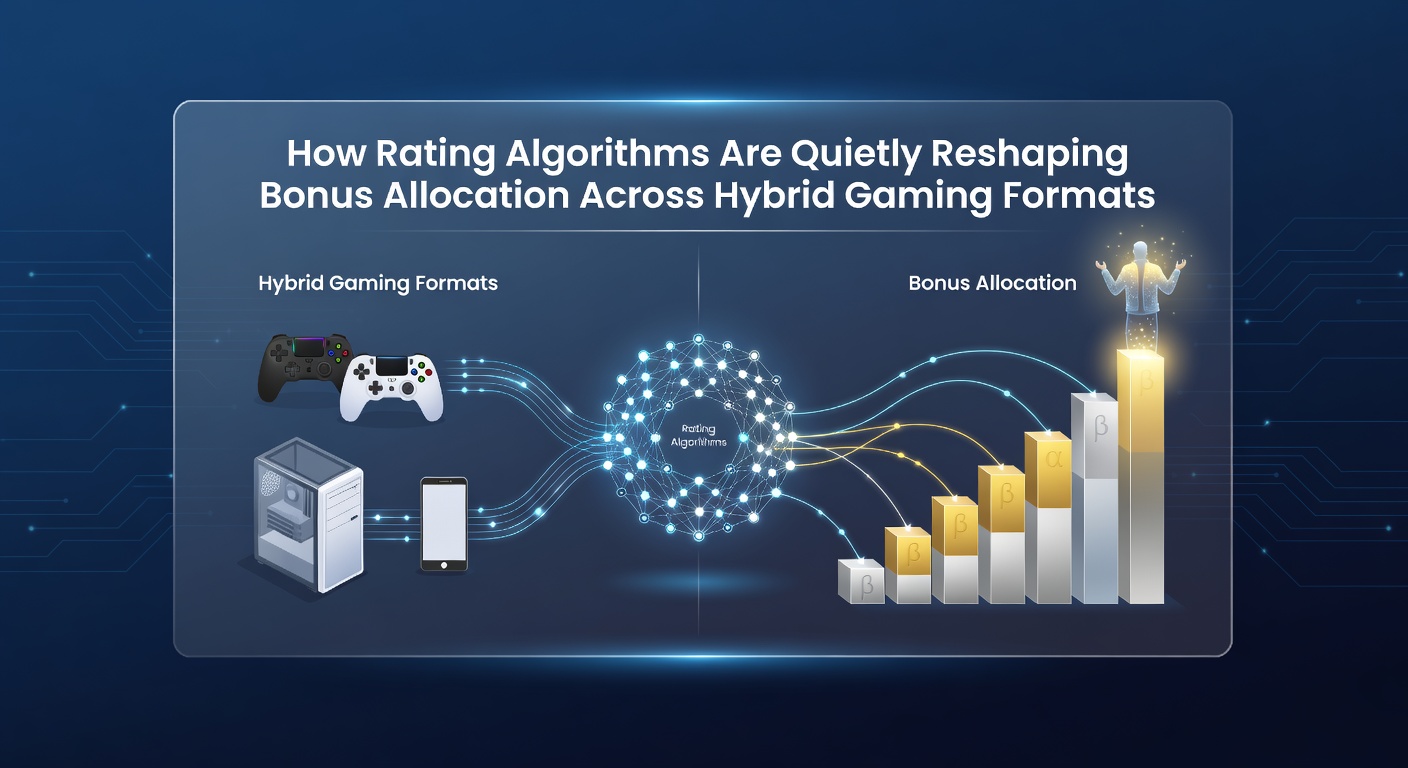
Hybrid gaming formats now blend slots, table games, live dealer sessions, and sports betting into single player accounts, and rating algorithms quietly track every move across these channels to adjust bonus offers in real time. These systems collect data on bet sizes, session lengths, game preferences, and cross-format activity before calculating personalized reward structures that differ sharply from older flat-rate promotions.
Core Mechanics Behind Player Rating Systems
Modern platforms feed activity logs into machine learning models that assign scores based on predicted lifetime value and risk profiles, while operators integrate inputs from multiple verticals so a high-volume sports bettor who rarely touches slots receives different bonus triggers than a steady roulette player who occasionally joins live blackjack tables. Data from industry reports indicate that such segmentation allows platforms to allocate promotional budgets more precisely, reducing waste on players unlikely to engage further while concentrating incentives on those whose patterns suggest sustained activity.
Researchers at several academic institutions have examined how these models weigh variables like deposit frequency against withdrawal behavior, and findings show that algorithms often downgrade bonus eligibility when sudden spikes in high-risk bets appear without corresponding deposit growth. This approach emerged prominently after 2024 platform updates that synchronized data streams across hybrid lobbies, and by May 2026 most major operators had completed similar integrations that link sports book performance directly to casino reward tiers.
Cross-Format Data Integration and Bonus Triggers
One study revealed that players who alternate between live dealer blackjack and in-play sports bets within the same hour trigger higher bonus multipliers because algorithms interpret the pattern as elevated engagement rather than isolated activity. Platforms then surface tailored free spins or bet credits that align with the dominant format in that session, creating seamless transitions that keep users inside the ecosystem.
What's interesting is how regulatory filings from the Nevada Gaming Control Board document gradual shifts in promotional reporting requirements to capture these dynamic allocations, whereas earlier static systems reported fixed bonus pools. Observers note that the new frameworks require operators to log algorithm-driven adjustments so auditors can verify fairness across player segments, and this transparency push accelerated after several jurisdictions updated compliance rules in early 2025.
Impact on Player Segments and Reward Structures
High-value players who maintain consistent play across formats often see loyalty points convert into hybrid bonuses that combine casino credits with sports book free bets, whereas casual users receive smaller, format-specific offers designed to encourage deeper exploration. Figures released by the American Gaming Association highlight that platforms using advanced rating models report up to thirty percent higher retention rates among segmented groups compared with blanket campaigns, although the exact mechanisms remain proprietary.

Take one operator that introduced unified player profiles in late 2025; their internal metrics showed bonus redemption rates climbing because offers now matched actual play history instead of generic assumptions. Those who've studied similar rollouts often discover that the shift reduces bonus abuse from multi-account strategies, since algorithms flag suspicious cross-format patterns and throttle eligibility accordingly. Yet the same systems also create new pathways for legitimate players who diversify their activity, granting access to progressive jackpots or enhanced live dealer tables that were previously reserved for top-tier accounts.
Regulatory Oversight and Transparency Developments
By May 2026 several European markets had begun requiring disclosure of the main factors used in rating calculations, and operators responded by publishing simplified explanations on their sites. Research indicates these measures help maintain trust while still protecting the competitive advantage of proprietary scoring methods, and similar discussions continue in Australian regulatory circles where hybrid product growth has outpaced traditional casino offerings.
Industry groups such as the European Gaming and Betting Association have compiled case studies showing how smaller operators adopted cloud-based rating tools to compete with larger platforms, and the resulting data sets demonstrate measurable improvements in bonus efficiency without increasing overall promotional spend. This development matters because it levels access to sophisticated segmentation for mid-sized sites that previously relied on manual review processes.
Future Trajectories in Algorithm-Driven Allocations
Analysts expect continued refinement of real-time scoring as wearable device data and session telemetry become more integrated, allowing bonuses to adapt even within a single gaming session. Platforms that already link sports betting wins to live dealer tables, for example, now experiment with instant bonus top-ups that reflect performance in the prior vertical, creating fluid reward loops that feel responsive rather than pre-scheduled.
Evidence suggests these trends will spread further as more jurisdictions license hybrid formats, and the underlying algorithms will likely incorporate additional compliance checks to flag potential problem gambling indicators before bonus offers activate. Observers note that this dual focus on personalization and responsibility represents a maturing phase for the sector, where rating systems serve both commercial and regulatory objectives simultaneously.
Conclusion
Rating algorithms continue to evolve from simple loyalty counters into sophisticated engines that allocate bonuses according to multi-format behavior, and the changes have already altered how operators structure promotions across hybrid platforms. As data integration deepens and oversight frameworks expand, these systems will keep reshaping reward distribution while remaining largely invisible to the average player. The trajectory points toward even tighter coupling between activity patterns and incentive delivery, supported by ongoing research and regulatory adjustments that began surfacing clearly in 2025 and gained momentum through May 2026.