Examining Interconnections Between Swift Digital Transfers and Progressive Status Tiers in Reel and Card Entertainment Ecosystems
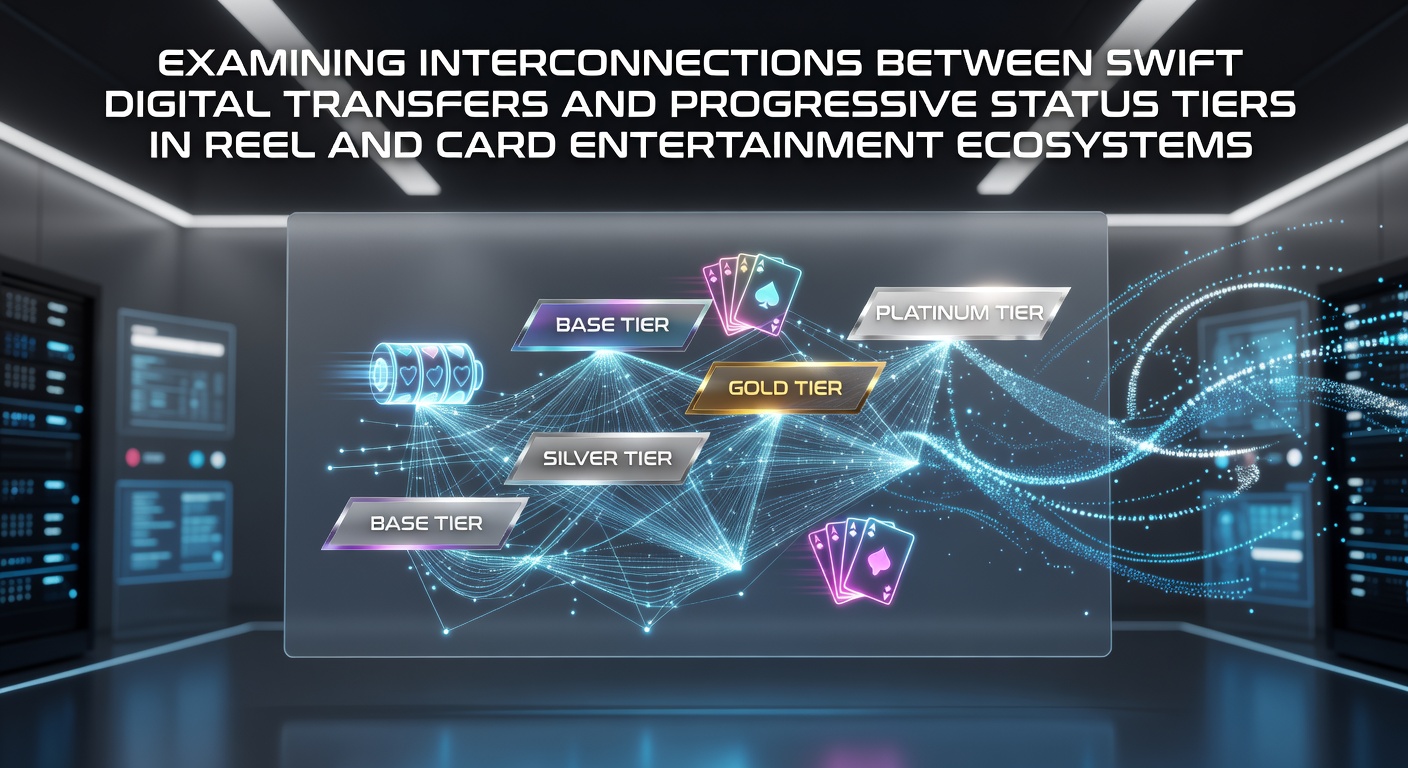
Reel and card entertainment ecosystems rely on interconnected payment rails that feed directly into tiered loyalty structures, where swift digital transfers accelerate point accumulation and status advancement for participants across both slot machines and table game environments. These systems operate through centralized databases that log deposit speeds, wager volumes, and redemption patterns in real time, allowing operators to adjust progressive benefits such as personalized multipliers, exclusive tournament entries, and tiered cashback rates without manual intervention.
Mechanics of Real-Time Transaction Integration
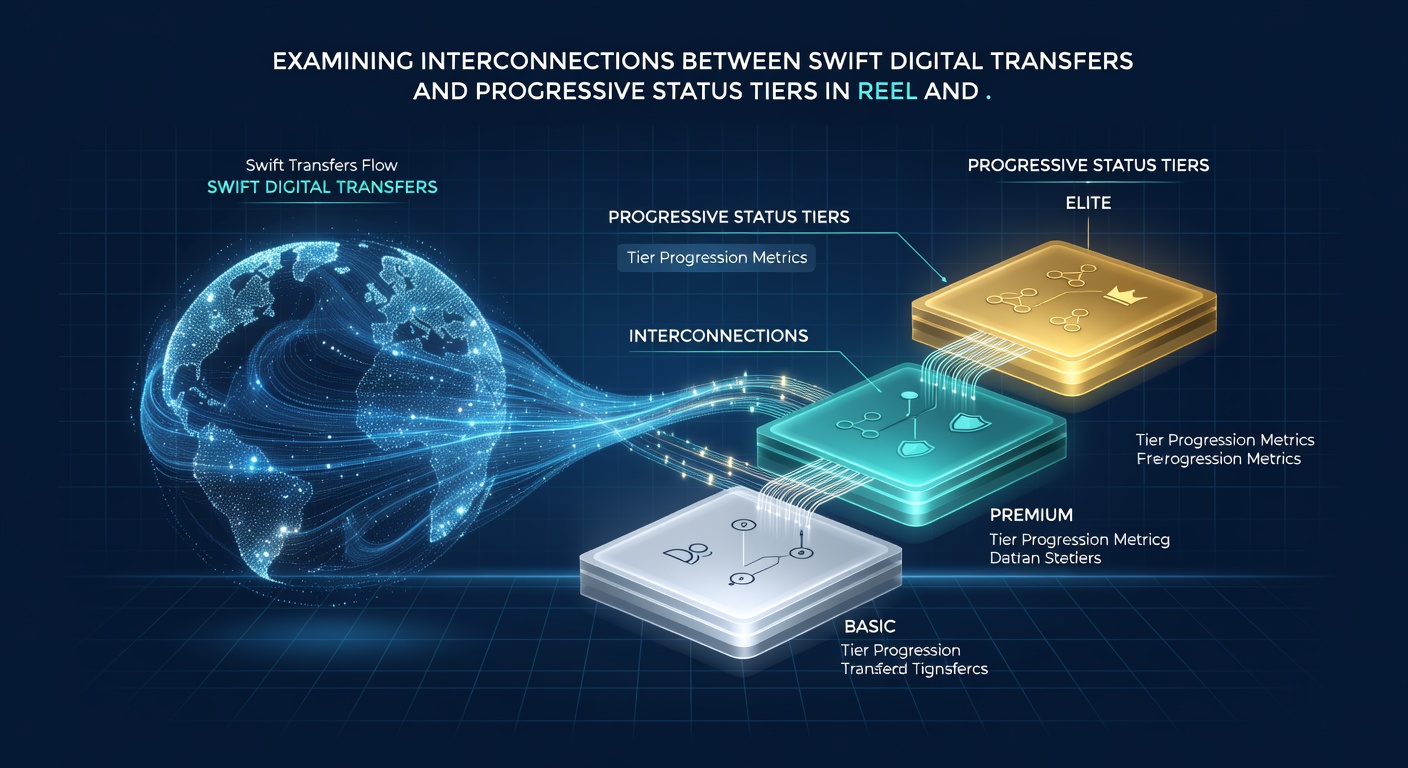
Swift digital transfers, including instant bank pushes and tokenized wallet settlements, transmit data streams to loyalty engines that calculate status points based on velocity rather than aggregate totals alone, which means a player completing multiple rapid deposits during a single session can cross threshold markers faster than those using slower methods. In reel entertainment segments this manifests as automatic upgrades to higher reel-spin bonus frequencies, while card entertainment platforms apply similar logic to dealer-tip credits and private table access. Observers note that backend APIs synchronize these flows within seconds, reducing the lag that once separated transaction confirmation from tier progression updates.
Comparative Effects Across Reel and Card Formats
Reel environments emphasize volume-driven progression because high-frequency spins generate continuous data points that pair naturally with immediate funding arrivals, yet card ecosystems introduce decision-based variables such as hand duration and bet sizing that interact with transfer timing in more nuanced ways. Research indicates that platforms tracking both formats simultaneously often deploy unified status dashboards, so a participant moving between digital reel sessions and live card tables experiences seamless tier carryover provided the underlying transfer rails maintain consistent latency. Data from industry reports shows that hybrid users who rely on swift transfers tend to maintain elevated status levels longer because the reduced friction supports sustained engagement across game categories.
Technological Infrastructure Supporting Tier Advancement
Cloud-based reconciliation layers sit between payment processors and player management systems, flagging qualifying transfers that meet velocity or volume criteria set by each tier. These layers incorporate fraud-detection filters that verify transfer authenticity before crediting status points, thereby protecting progressive benefits from manipulation while preserving the speed that defines swift transfers. Experts have observed that encryption protocols and multi-factor authentication standards have become standard components of this infrastructure, ensuring that the same technology enabling rapid movement of funds also safeguards the integrity of tier records.
Regulatory and Compliance Dimensions in Mid-2026
As of May 2026, several jurisdictions have updated technical standards requiring operators to document how digital transfer data influences loyalty tier decisions, with emphasis on transparency for participants reviewing their own status histories. These requirements appear in updated technical compliance frameworks issued by bodies such as the Gaming Control Board of Nevada, which now mandates audit trails linking each swift transfer to corresponding tier adjustments. Separate guidance from the Australian Communications and Media Authority addresses similar data-mapping obligations for operators serving card and reel markets, focusing on record retention periods that extend through multiple tier cycles.
Player Journey Patterns and System Feedback Loops
Participants who utilize swift digital transfers frequently encounter accelerated feedback loops in which status notifications arrive concurrently with transaction receipts, reinforcing continued activity within the same ecosystem. Reel players might receive instant notifications of upgraded free-spin allotments, whereas card players see corresponding increases in rake rebates or tournament qualifiers, all derived from the same transfer dataset. Those who have examined platform analytics note that retention curves steepen once a user crosses into mid-tier status because the perceived value of benefits rises in tandem with transfer-enabled momentum.
Conclusion
The interconnections between swift digital transfers and progressive status tiers continue to shape operational priorities within reel and card entertainment ecosystems by aligning payment velocity with loyalty mechanics. Regulatory updates emerging in 2026 reinforce documentation standards that make these linkages traceable, while technical infrastructure ensures that tier progression remains responsive to real-time transaction activity across both game formats. Observers tracking these developments report that the underlying data flows have become integral to how operators structure benefits and maintain participant engagement over extended periods.