Decoding the Effects of Seasonal Player Migration Patterns on Reward Tier Adjustments Within Integrated Digital Entertainment Platforms
Leon Carter · Jul 31, 2026
Decoding the Effects of Seasonal Player Migration Patterns on Reward Tier Adjustments Within Integrated Digital Entertainment Platforms
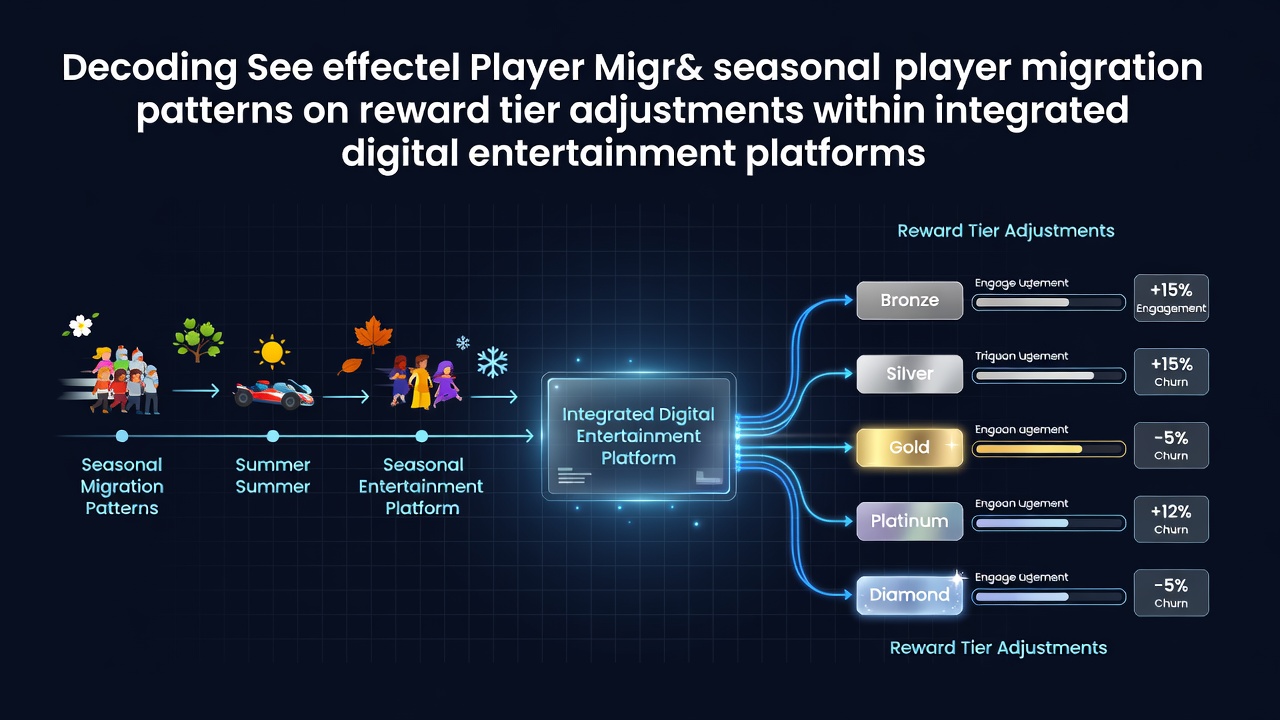
Seasonal player migration patterns have become a measurable factor in how integrated digital entertainment platforms recalibrate reward tiers, with data from multiple jurisdictions showing shifts in engagement volume that directly influence loyalty program structures. Researchers tracking these movements note that players often relocate activity between platforms during holiday periods, regional events, and weather-related changes, which creates fluctuations in play frequency and spend levels that operators must account for when determining tier thresholds.
Tracking Migration Through Platform Data
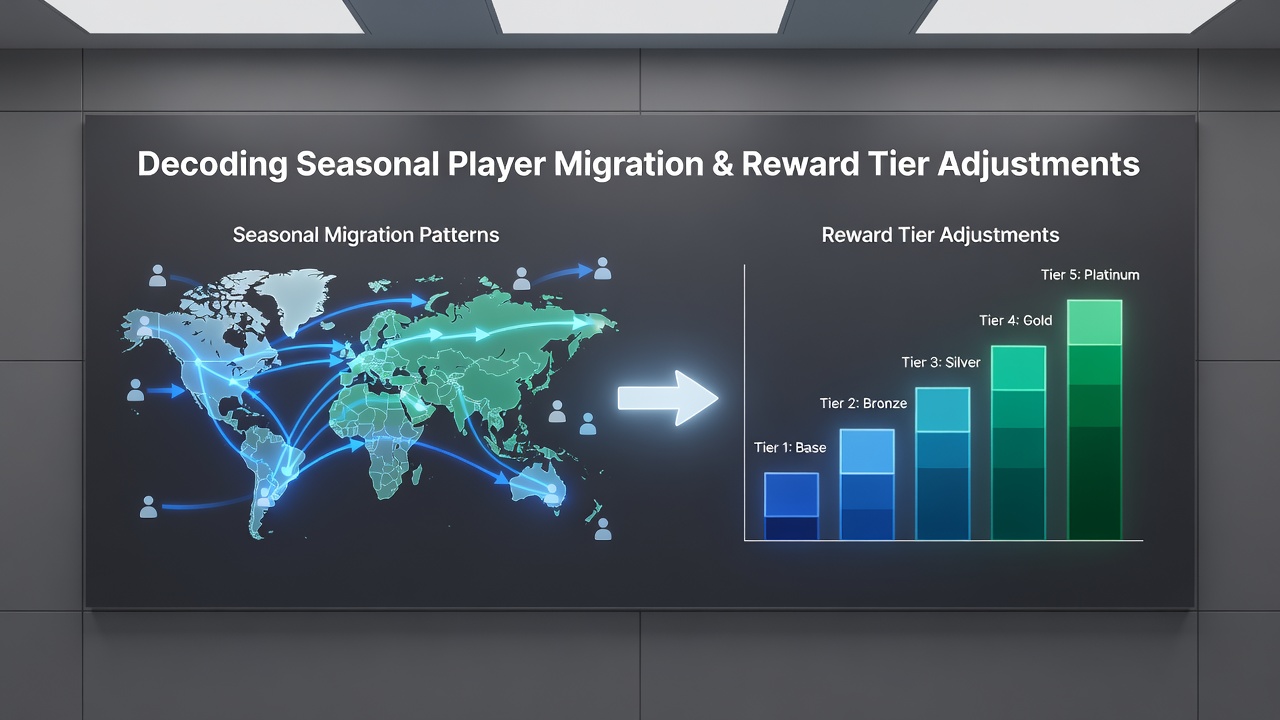
Analysts at organizations like the European Gaming and Betting Association have compiled datasets indicating that cross-border movements peak in December and January, while summer months see increased activity on mobile-first platforms in regions with higher travel volumes. These patterns emerge because users maintain accounts across multiple systems, allowing them to shift focus without losing accumulated progress, yet the resulting changes in session length and wager amounts require platforms to adjust qualification criteria for higher reward tiers on a quarterly or semi-annual basis.
Platforms integrate this information into algorithms that monitor real-time activity, and those adjustments prevent over-allocation of bonuses during low-migration windows while maintaining competitive positioning when users return or relocate. Data from 2025 through mid-2026 shows that platforms operating across North America and Europe recorded average tier reclassifications affecting 12 to 18 percent of active users during peak migration seasons.
Effects on Tier Qualification and Rewards
When migration increases, operators often raise the minimum activity thresholds for maintaining elite status, which ensures that rewards reflect sustained engagement rather than temporary spikes. Conversely, reduced activity periods prompt downward adjustments that protect lower-tier users from demotion, preserving overall platform retention rates. This balancing act relies on aggregated anonymized data rather than individual tracking, allowing systems to respond to collective trends without violating privacy regulations in markets such as those overseen by iGaming Ontario and the Malta Gaming Authority.
One study released in early 2026 examined five major integrated platforms and found that reward tier adjustments occurred most frequently in July, coinciding with both summer travel and mid-year performance reviews. The analysis revealed that platforms incorporating migration forecasts into their models achieved more stable user retention compared with those relying solely on historical averages.
Regional Variations and Platform Responses
North American operators tend to align tier resets with major sporting calendars, whereas European platforms adjust around vacation schedules common in July and August. These differences produce distinct migration corridors where users temporarily favor one region’s offerings over another, prompting operators to introduce localized bonuses that counteract potential tier erosion. Figures from industry reports indicate that such targeted interventions reduced tier downgrade requests by up to 9 percent during the 2026 summer cycle.
Integrated systems now employ predictive modeling that incorporates weather data, holiday calendars, and historical cross-platform traffic, enabling preemptive tier modifications before migration fully materializes. This approach minimizes user friction and maintains perceived fairness across reward structures, especially when players return to primary accounts after seasonal absences.
Conclusion
Seasonal migration continues to shape how reward tiers evolve within integrated digital entertainment platforms, with operators relying on increasingly sophisticated data aggregation to keep qualification criteria aligned with actual usage patterns. As July 2026 data becomes available, further refinements are expected in markets that have already adopted migration-aware algorithms, ensuring that tier adjustments remain responsive rather than reactive. The ongoing integration of these patterns into platform design reflects a broader industry shift toward evidence-based loyalty management across digital entertainment ecosystems.