Decoding How Transaction Pathways Shape Access to Hybrid Sports and Reel Tournaments Across Portable Platforms
Drew Schmitz · Aug 4, 2026
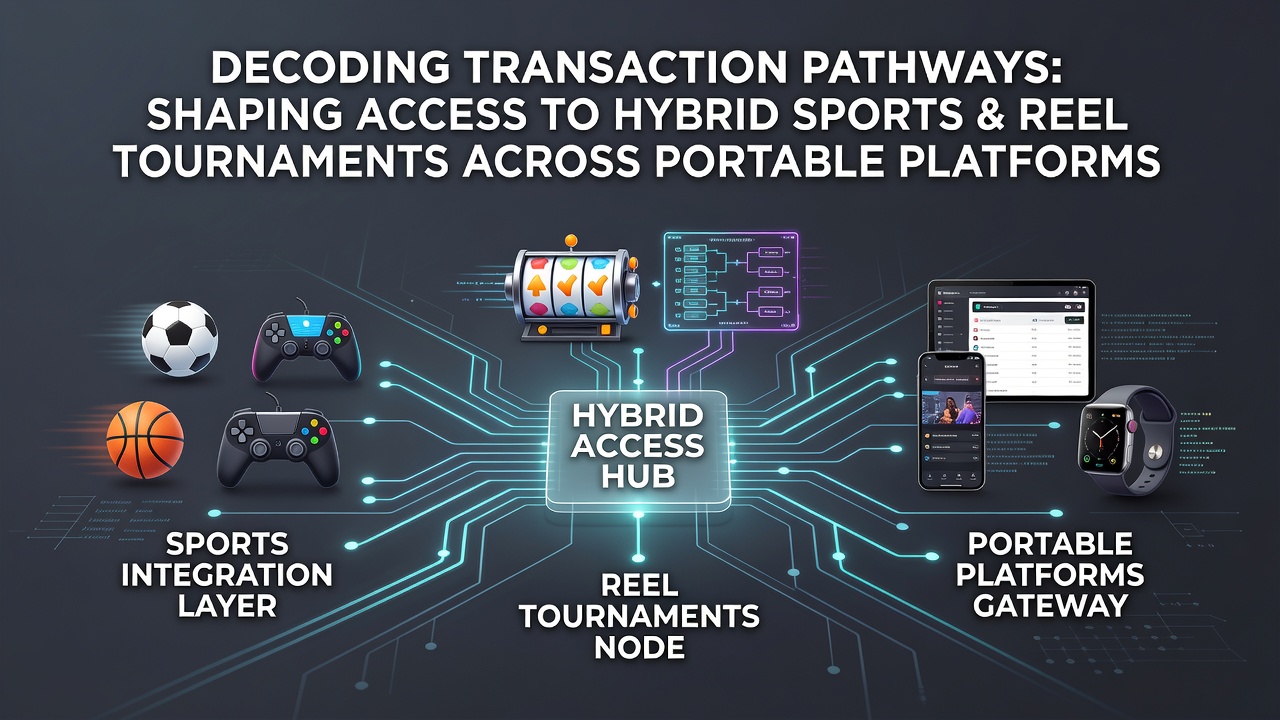
Decoding How Transaction Pathways Shape Access to Hybrid Sports and Reel Tournaments Across Portable Platforms
Transaction pathways determine how funds move between player accounts and gaming platforms, and these routes directly influence participation rates in hybrid sports events combined with reel tournaments on portable devices, according to industry data compiled through 2026.
Payment Rails and Mobile Tournament Entry
Digital wallets, bank transfers, and integrated payment APIs create the backbone for accessing hybrid formats that blend live sports betting with slot reel competitions, while seamless connections reduce friction during registration and prize distribution. Data from August 2026 shows that platforms supporting instant verification through linked banking apps recorded higher entry volumes for mobile reel tournaments tied to major sports seasons, as participants completed deposits without leaving the application interface. Researchers at academic institutions tracking gaming technology note that delays in cross-border transfers often exclude users from time-sensitive hybrid events, particularly when tournaments require synchronized funding across multiple regions.
Portable platforms rely on standardized protocols that route transactions through secure channels, and these systems determine whether players can join reel competitions linked to ongoing sports matches in real time. Observers tracking usage patterns report that applications with embedded instant transfer options maintain steadier participation levels during peak tournament windows, whereas those dependent on slower clearing methods experience drop-offs mid-event.
Hybrid Formats and Funding Accessibility
Hybrid sports and reel tournaments merge live event wagering with progressive slot mechanics, creating layered experiences that demand reliable transaction flows to unlock entry tiers and bonus multipliers. Figures released in mid-2026 indicate that regions with advanced mobile banking integrations saw expanded access to these combined formats, as users transferred funds between sports accounts and reel leaderboards without additional verification steps. Industry associations such as the American Gaming Association have documented how unified payment pathways support simultaneous tracking of sports performance metrics and reel spin outcomes across tablets and smartphones.
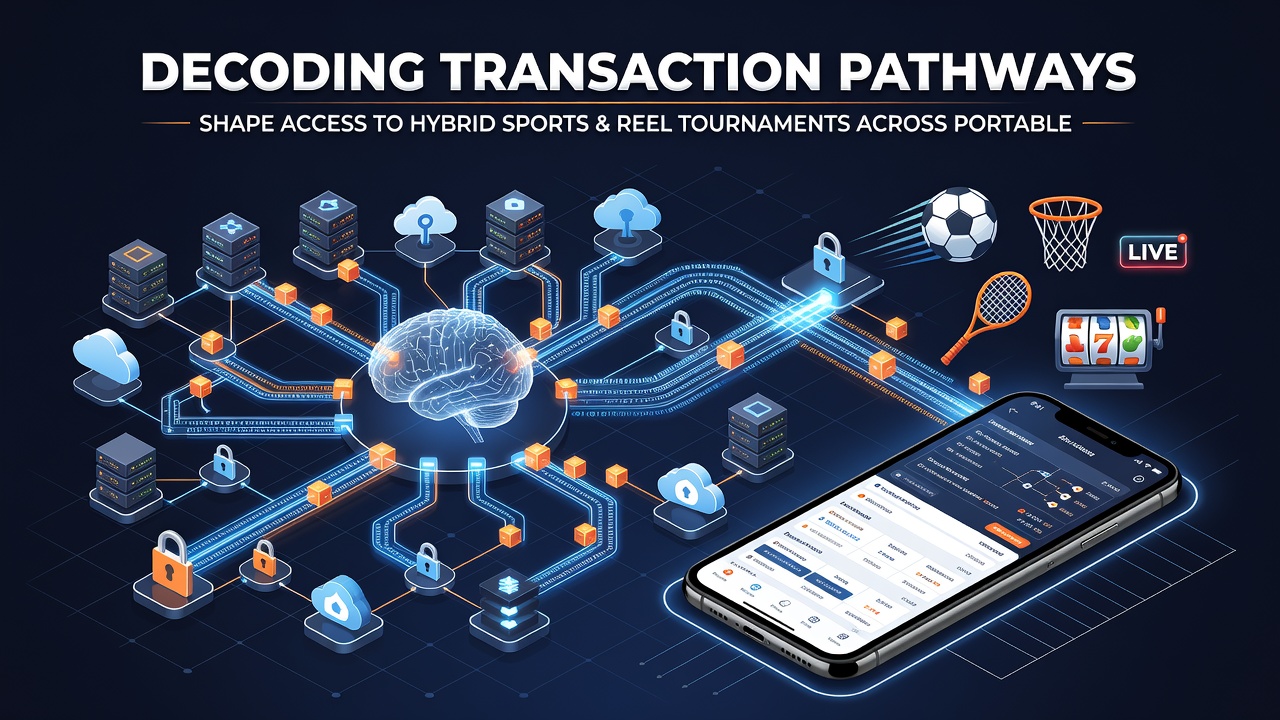
Those who study transaction efficiency point out that platforms using API-driven connections between financial institutions and gaming servers enable faster eligibility checks, allowing more participants to enter reel tournaments attached to sports series. In August 2026, several operators updated their systems to prioritize these direct routes, resulting in measurable increases in cross-format engagement on portable devices. Data indicates that users in markets with mature digital payment ecosystems encounter fewer barriers when moving between sports betting balances and reel competition pools.
Regional Variations in Transaction Infrastructure
Access patterns differ across jurisdictions because local banking regulations and infrastructure maturity shape which transaction pathways function reliably on mobile networks. Reports compiled by regulatory bodies in Canada and Australia highlight that jurisdictions investing in faster settlement systems recorded broader participation in hybrid sports-reel events during the summer 2026 period. Platforms operating under these conditions integrate multiple funding options that accommodate both domestic transfers and international participants seeking entry into portable tournaments.
Studies from research organizations focused on digital finance and entertainment reveal that transaction speed correlates with retention rates in reel competitions tied to live sports calendars. When pathways support near-instant confirmations, players maintain active balances across hybrid sessions without interruption, whereas slower routes lead to abandoned entries. August 2026 metrics from select markets demonstrated that operators emphasizing multi-channel payment support achieved wider geographic reach for their tournament offerings on smartphones and tablets.
Technical Integration and User Pathways
Developers embed transaction logic directly into mobile applications to streamline movement between sports dashboards and reel tournament interfaces, reducing the steps required for funding and withdrawals. Evidence gathered through platform analytics shows that simplified routing increases completion rates for combined events, as participants avoid switching between separate financial and gaming applications. Technical reports emphasize the role of encrypted tokenization in maintaining security while preserving access speed across portable environments.
Those examining system performance note that updates implemented before August 2026 improved compatibility between legacy banking networks and newer mobile gaming servers, expanding eligibility for hybrid formats. Data from these implementations indicates measurable gains in tournament entries originating from regions previously limited by incompatible transfer protocols. Portable platforms that adopted these enhancements sustained higher volumes of simultaneous sports and reel activity throughout the period.
Conclusion
Transaction pathways continue to define participation boundaries for hybrid sports and reel tournaments on portable platforms, with infrastructure improvements directly affecting entry volumes and retention across markets. Data collected through August 2026 underscores how integrated payment systems expand access while regional differences in banking technology maintain varied outcomes. Operators and regulators tracking these developments focus on refining route efficiency to support broader engagement in combined gaming formats.