Data Patterns Linking Preferred Transaction Methods to Engagement Levels in Mobile Sports Betting and Live Casino Combinations
Leon Carter · Aug 16, 2026
Data Patterns Linking Preferred Transaction Methods to Engagement Levels in Mobile Sports Betting and Live Casino Combinations
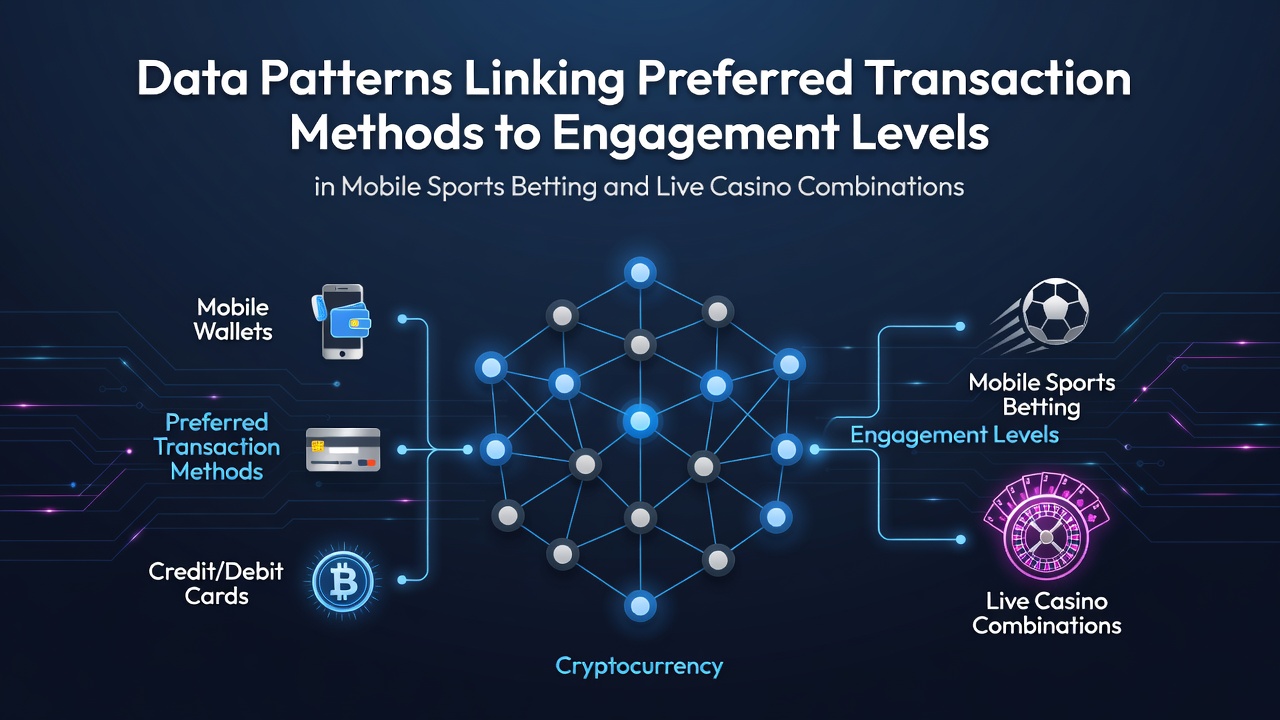
Transaction methods in mobile sports betting and live casino platforms reveal distinct patterns that connect payment preferences directly to user engagement metrics such as session length, deposit frequency, and retention rates. Analysts tracking these combinations note that users who favor certain digital wallets often sustain longer interactions across both sports markets and live dealer tables compared with those relying on traditional bank transfers. Data compiled through platform analytics in multiple jurisdictions shows measurable differences in how quickly players move between betting on events and participating in card or reel games when their preferred funding method processes without friction.
Transaction Methods Shaping User Behavior
Preferred payment options range from e-wallets and prepaid cards to cryptocurrency transfers and direct bank links, each carrying its own processing speed and fee structure. Researchers examining aggregated user logs find that e-wallet adopters complete deposits in under thirty seconds on average, which correlates with higher rates of switching between live casino tables and in-play sports wagers within the same session. Bank transfer users, by contrast, tend toward fewer but larger deposits that align with extended but less frequent engagement periods. These distinctions appear consistently across hybrid mobile applications that combine sports betting with live dealer offerings.
Engagement Metrics Across Payment Categories
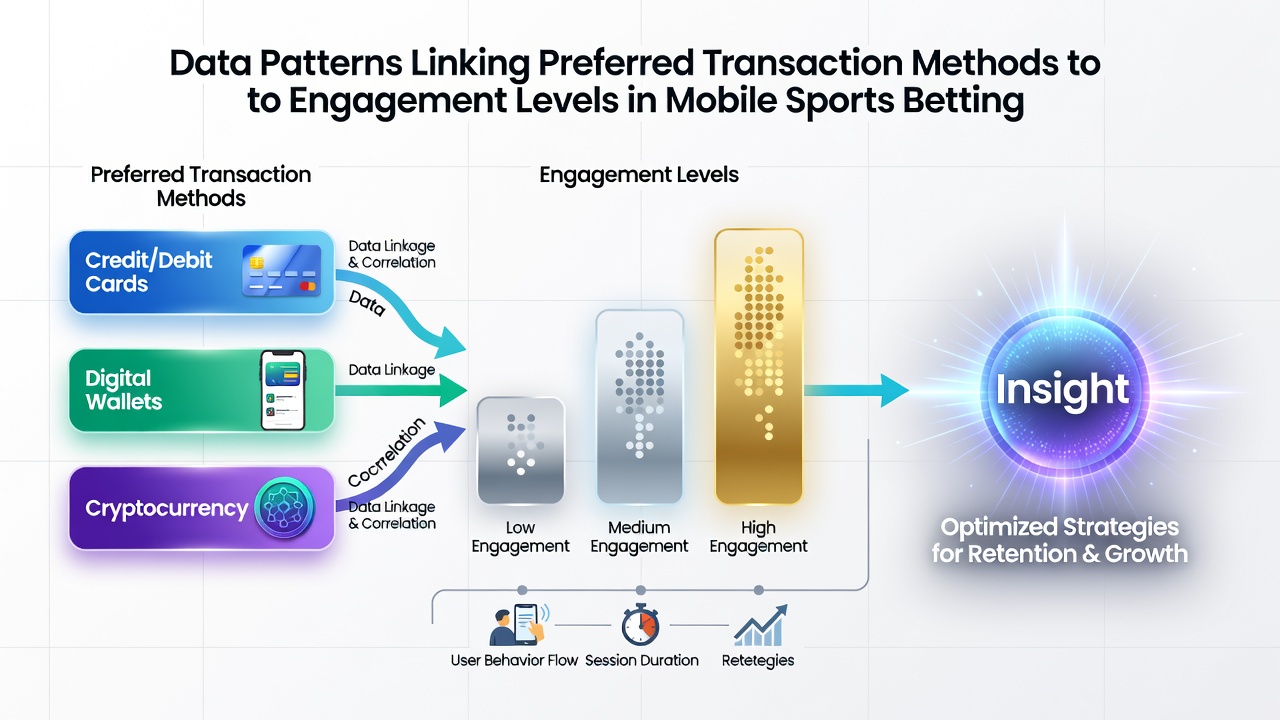
Studies tracking activity through the first half of 2026 indicate that players using instant digital wallets log an average of 4.7 sessions per week when accessing combined sports and live casino features, whereas those opting for slower verification methods average 2.9 sessions. Deposit frequency rises notably among cryptocurrency users during high-profile sporting events, with many completing multiple small top-ups that sustain continuous participation across live blackjack and roulette alongside betting markets. Evidence from platform dashboards further shows that prepaid card users maintain steady engagement levels even outside peak hours, suggesting the method supports habitual rather than event-driven play.
What's interesting is how these patterns hold when platforms introduce integrated bonus systems that reward activity in both verticals. Observers note that users who link e-wallets often qualify for tiered loyalty credits faster because their transaction history demonstrates consistent cross-category participation. In August 2026, several operators reported that wallet-based accounts showed a 23 percent higher rate of completing the transition from sports betting to live dealer tables within the same hour compared with accounts funded through direct bank connections.
Regional Data Variations in Mobile Hybrid Platforms
Geographic differences emerge when examining how local regulations influence payment preferences and resulting engagement. In jurisdictions with mature mobile gaming frameworks, such as those overseen by the New Jersey Division of Gaming Enforcement, wallet adoption exceeds 65 percent among hybrid users and coincides with elevated daily time spent across sports and live casino sections. Australian market data compiled by state regulators similarly links rapid settlement methods to sustained multi-product engagement, though the specific wallet providers differ from those dominant in North American markets. Canadian provincial reports highlight that players combining sports and live casino activity through verified bank transfers record longer individual sessions yet lower overall monthly activity compared with digital wallet cohorts.
Retention and Cross-Product Loyalty Patterns
Retention data collected over twelve-month windows demonstrates that accounts funded primarily through instant methods maintain active status at rates 18 percent above those using traditional transfers. This gap widens when platforms track movement between sports betting outcomes and live dealer sessions, because seamless funding allows users to reinvest winnings without exiting the application. Industry reports compiled by groups such as the Victorian Commission for Gambling and Liquor Regulation show parallel trends in markets where live casino and sports betting operate under unified licensing. Observers tracking loyalty program participation find that users who maintain consistent payment methods across both categories accumulate points more rapidly and reach higher status tiers within shorter timeframes.
Platform Design Influences on Transaction-Driven Engagement
Application interfaces that surface preferred payment options prominently at key transition points between sports and live casino modules tend to record stronger engagement continuity. Data visualizations from multiple operators reveal that one-tap wallet re-deposits reduce drop-off rates during the shift from live event betting to table games. Conversely, users encountering additional verification steps mid-session show measurable declines in subsequent activity across both verticals. These design elements interact directly with the underlying transaction patterns rather than altering them.
Conclusion
Patterns connecting transaction methods to engagement levels in mobile sports betting and live casino combinations rest on observable differences in processing speed, user friction, and cross-product flow. Aggregated platform data from 2026 continues to map these relationships across regions, providing operators with concrete metrics for optimizing payment integrations. The distinctions between wallet, card, and bank-based funding remain consistent indicators of how users allocate time and activity between the two entertainment formats.