Charting Player Feedback Loops That Shape Exclusive Reel and Card Lineups in Portable Loyalty Ecosystems
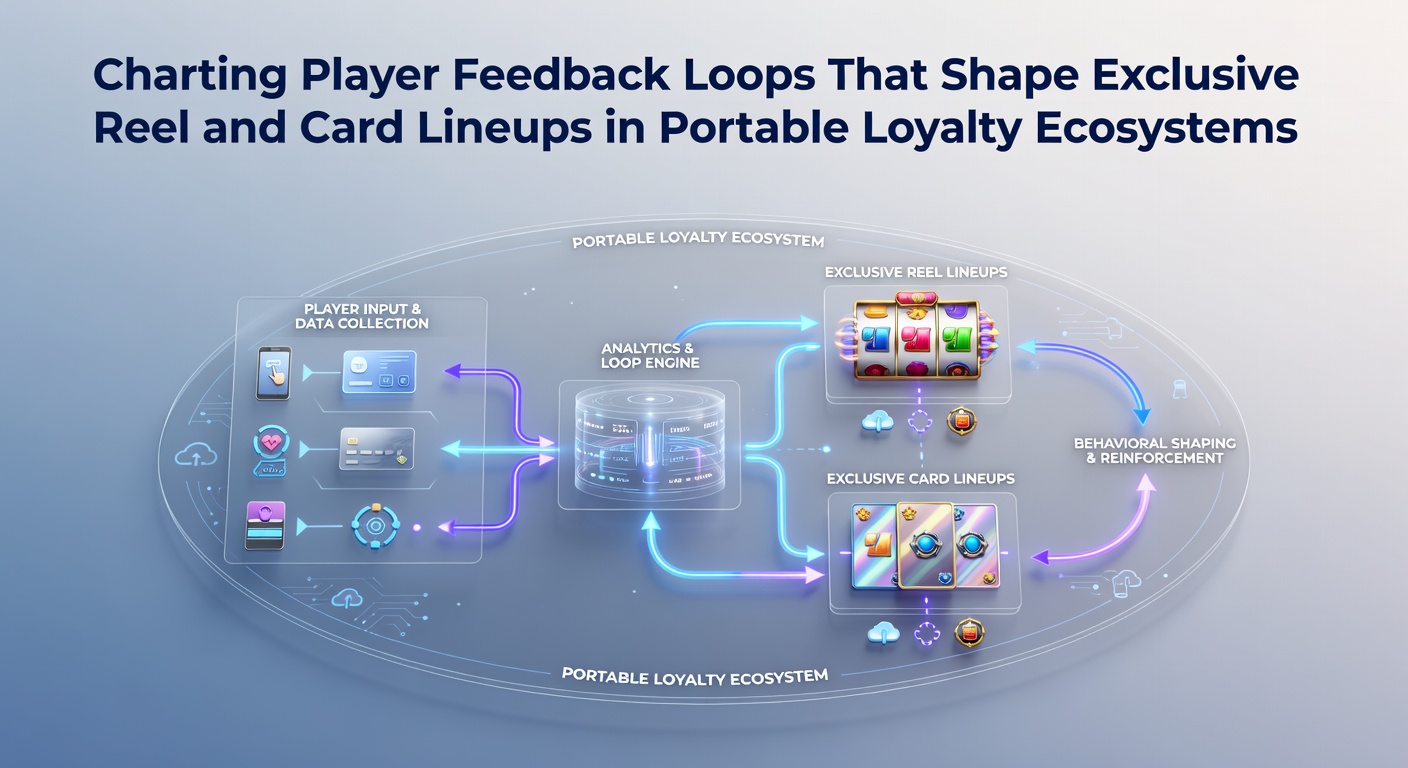
Player feedback loops operate as continuous cycles where data from mobile sessions informs adjustments to game availability in loyalty programs, and those adjustments in turn influence how participants interact with reel and card offerings on portable devices. These systems collect metrics such as session duration, spin frequency, and hand completion rates alongside explicit inputs like star ratings and comment submissions through in-app tools. Operators then apply the aggregated information to decide which titles receive exclusive placement or limited-time availability within tiered loyalty structures.
Data Collection Mechanisms in Mobile Environments
Portable platforms gather information through multiple channels that run simultaneously during gameplay. Background tracking records time spent on specific reel mechanics such as bonus round triggers or card game features including split decisions and insurance bets, while pop-up prompts request direct input on satisfaction levels after each completed round. Integration with loyalty accounts allows cross-referencing of these signals against tier status and reward redemption patterns, creating detailed profiles that update in near real time. Research indicates that such layered collection produces datasets large enough to identify preferences across demographic segments without requiring separate survey campaigns.
Algorithms process the incoming streams by weighting recent activity more heavily than older records, which enables rapid shifts in featured content. For instance, when card game participants show increased engagement with variants that include side bets, the system elevates those options into exclusive loyalty sections while deprioritizing underperforming reel titles. This approach maintains alignment between available lineups and demonstrated demand across different geographic markets.
Influence on Exclusive Reel and Card Offerings
Exclusive lineups emerge when feedback consistently highlights particular mechanics or themes that resonate within loyalty cohorts. Reel games featuring progressive elements or narrative progressions often rise in priority after clusters of positive ratings appear from high-frequency mobile users, whereas card formats that incorporate faster dealing speeds or customizable table limits gain traction through similar signals. The result appears in curated menus accessible only to members who meet spending or play thresholds, with new additions tested first in limited loyalty windows before wider release.
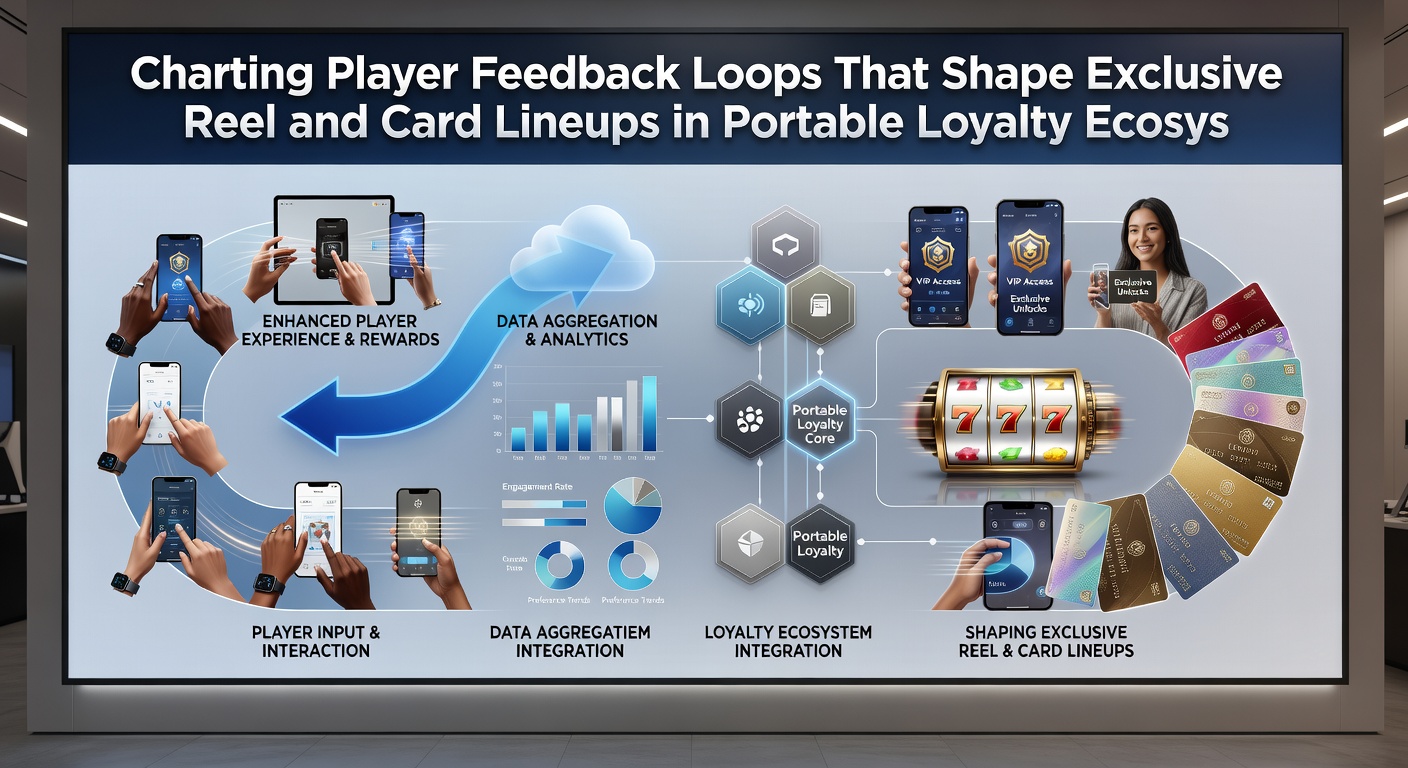
Operators monitor retention metrics following each lineup change to refine the loop further. When exclusive reel titles produce higher average session lengths among mid-tier loyalty members, the same feedback pattern supports expansion of similar card exclusives in subsequent cycles. Data from industry reports shows that platforms employing these iterative processes experience measurable increases in daily active users within loyalty segments during periods of active curation.
Regional Developments and May 2026 Context
Regulatory environments continue to shape how feedback data may be applied. In May 2026, several jurisdictions updated guidelines around data transparency in digital gaming applications, requiring clearer disclosure of how play metrics influence personalized offers. These changes prompted operators to publish summaries of feedback utilization practices while maintaining competitive differentiation through exclusive content. Observers note that markets in North America and parts of Asia have seen parallel movements toward standardized reporting on loyalty algorithm impacts.
Industry organizations such as the American Gaming Association have documented rising adoption of closed-loop systems that connect mobile feedback directly to game licensing decisions. Meanwhile, academic analyses from research centers in Australia highlight correlations between rapid lineup adjustments and sustained participation rates among portable device users. Such findings underscore the operational value of structured feedback pathways without prescribing specific implementation methods.
Integration Across Loyalty Tiers
Loyalty ecosystems segment participants into tiers that receive progressively more tailored reel and card selections. Entry-level members encounter broader catalogs shaped by aggregate trends, whereas top-tier accounts access narrower, highly responsive exclusives informed by individual and peer-group signals. The feedback loop strengthens at higher tiers because redemption activity and direct comments provide richer data points that algorithms can act upon within shorter timeframes.
Cross-promotional mechanics further embed these loops. When participants unlock a new reel exclusive through tier advancement, subsequent play data determines whether that title migrates into card-focused loyalty sections or remains reel-specific. Similar pathways exist for card exclusives that test reel mechanics in hybrid formats, allowing operators to track preference shifts across categories in unified mobile environments.
Conclusion
Player feedback loops function as structured mechanisms that translate mobile interaction data into decisions about exclusive reel and card lineups within loyalty programs. By combining passive metrics with active ratings, operators maintain dynamic catalogs that reflect demonstrated preferences across portable platforms. Regulatory updates in May 2026 reinforced transparency requirements around these processes, while industry and academic sources continue to track their effects on engagement patterns. The resulting ecosystems demonstrate how iterative data use supports content curation that aligns with participant behavior in real time.